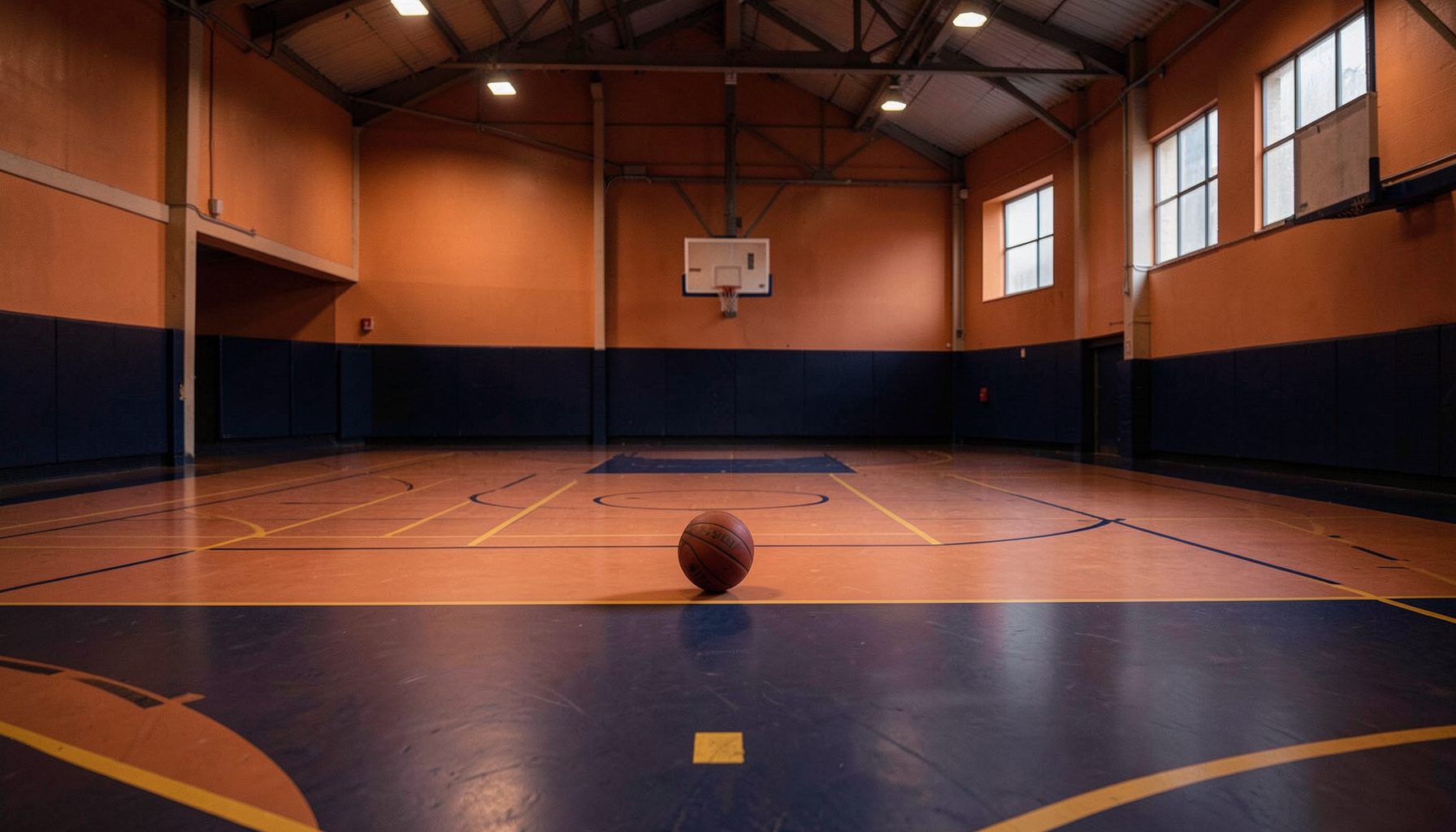
The Mental Side Of Returning From A Season-Ending Injury
A season-ending injury removes far more than competition from a college athlete’s life. It can interrupt routines, friendships, travel, academic momentum, and the daily proof that training is moving somewhere. Even when physical rehabilitation is progressing, the mind may remain stuck at the moment of injury or focused on everything that has been lost.
Returning to sport requires a mental recovery plan alongside strength, mobility, conditioning, and medical clearance. Fear of reinjury, frustration with slow progress, changes in identity, and uncertainty about your role can all affect confidence. These reactions are common, but they deserve attention rather than being dismissed as weakness.
The goal is not to force yourself to feel fearless before you return. A healthier approach is to develop trust gradually, recognize emotional setbacks, and build routines that give you control over the parts of recovery you can influence.
The Injury Changes More Than Your Schedule
A serious injury often creates an identity disruption. Student-athletes may be used to describing themselves through their sport, position, statistics, or role on the team. When participation disappears, the sudden empty space can feel uncomfortable. You may still be an athlete, but your relationship with that identity has changed.
There may also be grief. Missing a championship, losing a starting role, or watching teammates compete can bring sadness, anger, envy, or guilt. Those emotions do not mean you are unsupportive or uncommitted. They are understandable responses to losing an experience that mattered.
Give the loss a name instead of trying to rush past it. Writing down what you miss, speaking with a trusted teammate, or working with a sports psychologist can help separate temporary disappointment from broader beliefs such as “I have no value without my sport.” That distinction matters during long-term injury recovery.
Rebuild Trust In Your Body
Physical healing and psychological readiness rarely move at exactly the same speed. Your surgeon, athletic trainer, physical therapist, and strength coach may see measurable improvements while you still hesitate during a cut, landing, sprint, or contact drill. That hesitation is useful information, not a character flaw.
Confidence grows through repeated evidence. Focus on the next medically approved task rather than mentally rehearsing the entire journey back to competition. A successful rehabilitation session, controlled movement, or completed conditioning interval gives your brain another reason to believe your body can handle more.
Use specific language when tracking progress. Instead of writing “I felt better,” record details such as “I completed the prescribed single-leg work with steady balance” or “I noticed fear before the drill and settled after using slow breathing.” These observations make progress visible when emotions tell a different story.
Your return-to-play plan should be guided by qualified professionals. Ask what a particular milestone means, what symptoms deserve attention, and which sensations are expected. Clear information reduces the tendency to interpret every ache as proof that something has gone wrong.
Manage The Emotional Whiplash
Injury recovery can produce an unpredictable emotional pattern. You may feel optimistic after a strong appointment, discouraged after a difficult exercise, and anxious when teammates return from an away game. Social media can intensify that cycle by showing highlights without the ordinary frustrations behind them.
Try creating boundaries around comparison. You can support your team while limiting updates that consistently worsen your mood. Staying connected does not require attending every event, watching every clip, or pretending that participation feels easy. Choose forms of contact that leave you feeling included rather than depleted.
Sleep, nutrition, and daily structure also influence emotional regulation. A student-athlete without practice may suddenly have long unplanned periods, which can encourage rumination. Keep consistent wake and sleep times, schedule coursework, attend rehabilitation, and include one activity unrelated to sport. Structure gives the day shape while your competitive role is temporarily paused.
If sadness, anxiety, irritability, isolation, or hopelessness continues to interfere with eating, sleeping, schoolwork, or relationships, contact a campus counselor, team mental health professional, or another qualified provider. Immediate support is especially important when you experience thoughts of self-harm or feel unable to stay safe.
Create A Return Routine
A strong routine should support rehabilitation without making recovery your entire identity. Start with a short daily plan that includes treatment, academic work, recovery habits, social connection, and something enjoyable. The schedule can change as your physical demands increase, but the categories provide stability.
Mental skills are most effective when practiced before high-pressure moments. Box breathing, progressive muscle relaxation, visualization, and performance journaling can help lower arousal and improve concentration. Visualization should be realistic rather than perfect: imagine responding to a mistake, adjusting to an awkward movement, or following your coach’s instruction after feeling nervous.
Set process goals that match your current stage. Early goals might involve attending every rehabilitation appointment or completing assigned exercises. Later goals may include communicating clearly with coaches, tolerating controlled contact, or staying composed during a non-contact practice. These targets keep progress within your control.
A useful routine may include practical recovery gear as well. Long travel, extended sitting, and repeated rehabilitation demands can make comfort harder to manage. If compression wear is part of your clinician-approved routine, this guide to compression socks for travel offers considerations for fit, material, and use during long bus trips.
Measure Progress Beyond Playing
Athletes often judge recovery by one result: whether they can compete again. That measure is important, but it is too narrow to capture the work happening between injury and return. A broader scorecard can reveal progress during weeks when full-speed performance is still unavailable.
| Recovery area | Early sign of progress | Helpful question |
|---|---|---|
| Physical confidence | Completing approved movements with less hesitation | What did my body handle today? |
| Emotional regulation | Recovering faster after frustration | How did I respond when the session felt difficult? |
| Communication | Asking clear questions about restrictions and milestones | Did I tell the staff what I noticed? |
| Academic balance | Meeting coursework obligations despite appointments | What system helped me protect school time? |
| Team connection | Maintaining relationships without forcing normality | Which interaction made me feel supported? |
| Self-identity | Enjoying interests outside competition | What mattered to me today beyond my sport? |
Use the table as a reflection tool rather than a grading system. Some days will show progress in one area and regression in another. A painful appointment may lower confidence while improving physical capacity. A missed assignment may signal that your academic routine needs adjustment, not that recovery is failing.
It can help to review your notes once a week with a therapist, athletic trainer, or trusted mentor. Look for patterns in fear, pain, fatigue, and motivation. This makes it easier to distinguish a normal difficult day from a recurring problem that needs additional support.
Lean On The Right Support
Recovery becomes heavier when you try to manage every part alone. Your medical team handles physical progression, but your support network can also help with transportation, academic communication, team expectations, and emotional pressure. Tell people what kind of assistance is useful instead of assuming they know.
A coach may need to understand that a return-to-play conversation triggers anxiety. A professor may need documentation or advance notice about appointments. A teammate may be able to include you in team activities without asking for constant updates. Specific communication prevents people from guessing and gives you more influence over your environment.
Your role may change when you return. You might begin with limited practice, a different position, reduced minutes, or a gradual increase in contact. Discuss expectations early so that the first day back does not carry the burden of proving your entire future.
The wider student-athlete resource hub can also support the practical side of balancing academics, training, wellness, and life beyond competition. Use outside resources to supplement, not replace, advice from your healthcare and campus support teams.
Practical Habits That Protect Your Mind
- Keep a brief recovery log covering physical sensations, mood, sleep, and one completed task.
- Replace outcome-based statements with process language, such as “I am rebuilding tolerance” instead of “I am behind.”
- Schedule social contact that feels supportive, while taking intentional breaks from comparison-heavy media.
- Practice one breathing or visualization exercise during calm moments so it is familiar under pressure.
- Tell your care team when fear, sadness, or stress changes your behavior rather than waiting for it to become overwhelming.
Returning from a season-ending injury is a gradual process of restoring capacity, confidence, and a sense of self. Treat mental training as a regular part of rehabilitation, communicate honestly with the people guiding your return, and recognize progress that cannot be measured on a scoreboard. Start with one manageable routine this week and use it to build the next step toward healthy competition.