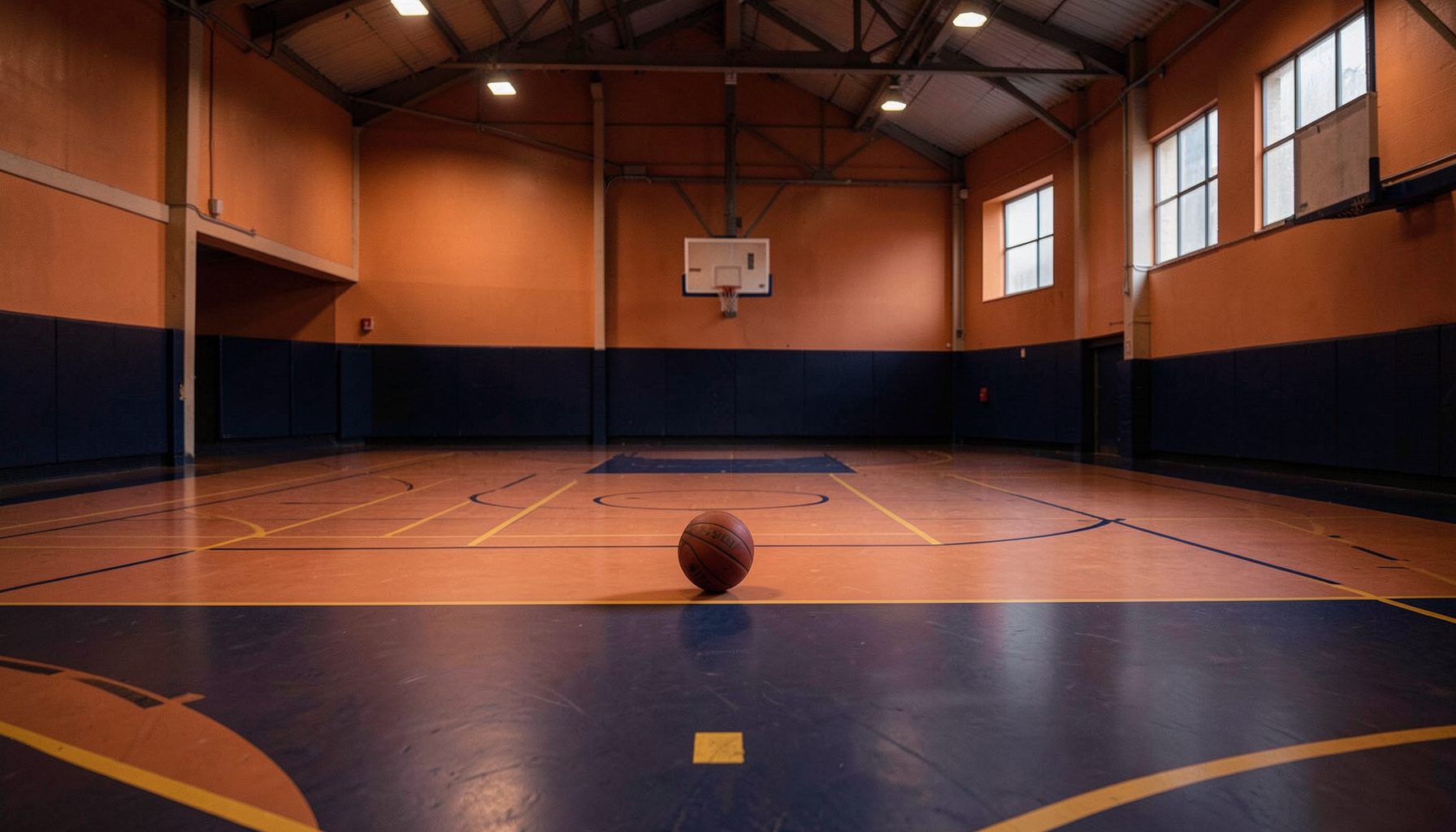
The best study spots on campus for early morning workouts
Early morning training can give a college athlete a productive start, but the hours after a workout often determine whether that momentum lasts. Once the lifts, sprints, or practice drills are finished, finding a quiet place to review notes, complete assignments, or prepare for class can prevent the rest of the day from becoming a scramble.
The right study location should support both recovery and concentration. A convenient spot near the athletic complex may save time, while a library carrel may offer better focus. Comfortable seating, reliable Wi-Fi, natural light, access to food, and a low-noise atmosphere all matter when you are moving directly from training into academic work.
For student-athletes, this routine also has to fit around classes, team meetings, travel, nutrition, and sleep. The best campus study spots are the ones that make the transition from workout mode to academic mode simple, repeatable, and sustainable.
What makes a study spot work after training
A good post-workout study space needs to match your physical condition. After intense exercise, you may be alert but tired, hungry, or still carrying adrenaline. A silent library floor can be ideal for detailed reading, yet a bright student center may work better when you need coffee, breakfast, or a short reset before opening your laptop.
Distance is another major factor. If your study space is across campus, the commute can consume the short window between training and class. Locations near the gym, athletic facilities, dining hall, or residence hall often make it easier to preserve valuable minutes. A five-minute walk may be the difference between completing a problem set and postponing it.
Think about the type of work you plan to do. Memorization, writing, group projects, online lectures, and spreadsheet assignments each require different surroundings. Headphones can reduce distractions, but they cannot fix uncomfortable seating, weak internet, or a room that closes before your work is finished.
Library spaces for deep academic focus
The main library is usually the strongest choice for demanding academic work. Individual desks, quiet floors, charging stations, printers, and access to research support create an environment designed for sustained concentration. If you have a paper to outline or an exam guide to build, a reserved carrel can provide a useful boundary between training and studying.
Many campus libraries also have early opening hours, but athletes should verify access before relying on them. Some buildings open later on weekends, and certain floors may require a student ID outside regular hours. Checking the schedule the night before keeps a locked door from disrupting your morning routine.
A library café or first-floor lounge can be better for lighter tasks. Use these areas for email, flashcards, readings, or planning rather than work that requires complete silence. Keep your post-workout meal nearby, and choose a seat with enough space for a water bottle, laptop, notebook, and any recovery items.
Athletic academic centers and team facilities
An athletic academic center can be one of the most efficient options for a student-athlete. These spaces are often close to the training room and locker room, which limits travel after practice. They may also provide tutoring, computer access, academic counselors, whiteboards, and study rooms designed for athletes’ schedules.
The main advantage is familiarity. When teammates and support staff understand your competition schedule, class demands, and travel obligations, it becomes easier to get targeted help. A short session with a tutor after an early workout may be more productive than spending an hour trying to solve a difficult assignment alone.
The drawback is potential distraction. Team spaces can become social, especially when multiple athletes finish training at the same time. If you need uninterrupted focus, reserve a private room or move to a quieter floor. Keep the athletic center as your academic home base, but use other campus locations when the environment no longer matches the task.
Comparing campus options for different study needs
No single location works for every morning. A useful strategy is to create a short rotation based on your energy level, assignment type, and remaining time before class. This prevents you from wasting time deciding where to go after training.
| Campus spot | Best for | Main advantage | Potential drawback |
|---|---|---|---|
| Main library | Exams, writing, research | Quiet and academically focused | May be farther from the gym |
| Athletic academic center | Tutoring and quick assignments | Close to training facilities | Teammates may create distractions |
| Student union | Breakfast and light review | Food, seating, and convenience | Noise can change throughout the morning |
| Department lounge | Major-specific work | Access to classmates and faculty resources | Limited hours or seating |
| Residence hall study room | Short, familiar sessions | Minimal travel after training | Easy to relax or fall back asleep |
| Outdoor covered area | Reading and planning | Fresh air and natural light | Weather and Wi-Fi may be unreliable |
Use the comparison as a starting point rather than a fixed ranking. Your campus layout, building hours, and team schedule will determine which locations are practical. Test each spot during the actual time you expect to study, because a quiet room at noon may be crowded immediately after morning practice.
Build a routine from the locker room to the desk
A reliable transition makes early study sessions easier. Before training, pack the materials you will need for the first academic task. Put your laptop charger, notebook, headphones, textbook, and snack in one compartment so you are not returning to your room or searching through your backpack afterward.
Give yourself a short reset period. Hydrate, eat a balanced snack or breakfast, change into dry clothes, and take a few minutes to cool down. A study block that begins while you are dehydrated or distracted by hunger will feel longer and produce less useful work. For nutrition, sleep, time management, and other student-athlete resources, the Student Ca$hlete community offers guidance shaped around the demands of college sports.
Start with a specific outcome rather than a vague goal such as “study biology.” A stronger target might be completing twenty practice questions, drafting two paragraphs, or reviewing one lecture and creating ten flashcards. A defined finish line helps you use a 30- to 60-minute window before your next obligation.
Protect focus, recovery, and mental energy
Early mornings should support your overall training plan rather than quietly increasing fatigue. If your workout is especially demanding, choose a study task that requires organization or review instead of your most difficult creative work. Save complex writing or advanced problem-solving for a time when your body and mind have recovered.
Use small focus systems that fit campus life. Silence unnecessary notifications, place your phone in your bag, and work in a timed block. A 25-minute session followed by a five-minute break may be enough before class. On longer mornings, two focused blocks with a meal or walk between them can provide structure without exhausting you.
Mental health belongs in the planning process. A study spot should feel safe, predictable, and manageable, especially during heavy competition periods. If you notice persistent exhaustion, anxiety, poor sleep, or difficulty concentrating, speak with a coach, athletic trainer, academic advisor, or campus counseling professional. Productivity should never come at the expense of recovery.
Practical ways to choose your regular spots
A small amount of preparation can turn several campus buildings into a flexible academic system. Visit possible locations during the hours after your workout, note their opening times, and identify backup options for crowded days or bad weather.
- Choose one primary location for deep work, such as a quiet library floor or private academic-center room.
- Keep a nearby backup for short assignments when your schedule is compressed.
- Check Wi-Fi, outlets, food access, restroom locations, and building hours before committing.
- Match the space to your energy: quiet rooms for difficult work and social lounges for review or planning.
- Reserve group rooms early when team projects or tutoring sessions are part of your week.
Review the system every few weeks. A location that works during preseason may become impractical once classes, travel, and competition intensify. Your best option can change by weekday, assignment, or phase of the athletic calendar.
The strongest study routine is one you can repeat without unnecessary friction. Finish training, refuel, move to a dependable campus space, and begin with a clearly defined task. Explore your library, athletic academic center, student union, and department lounges this week, then establish a primary spot and a backup that keep your academic progress moving after every early workout.