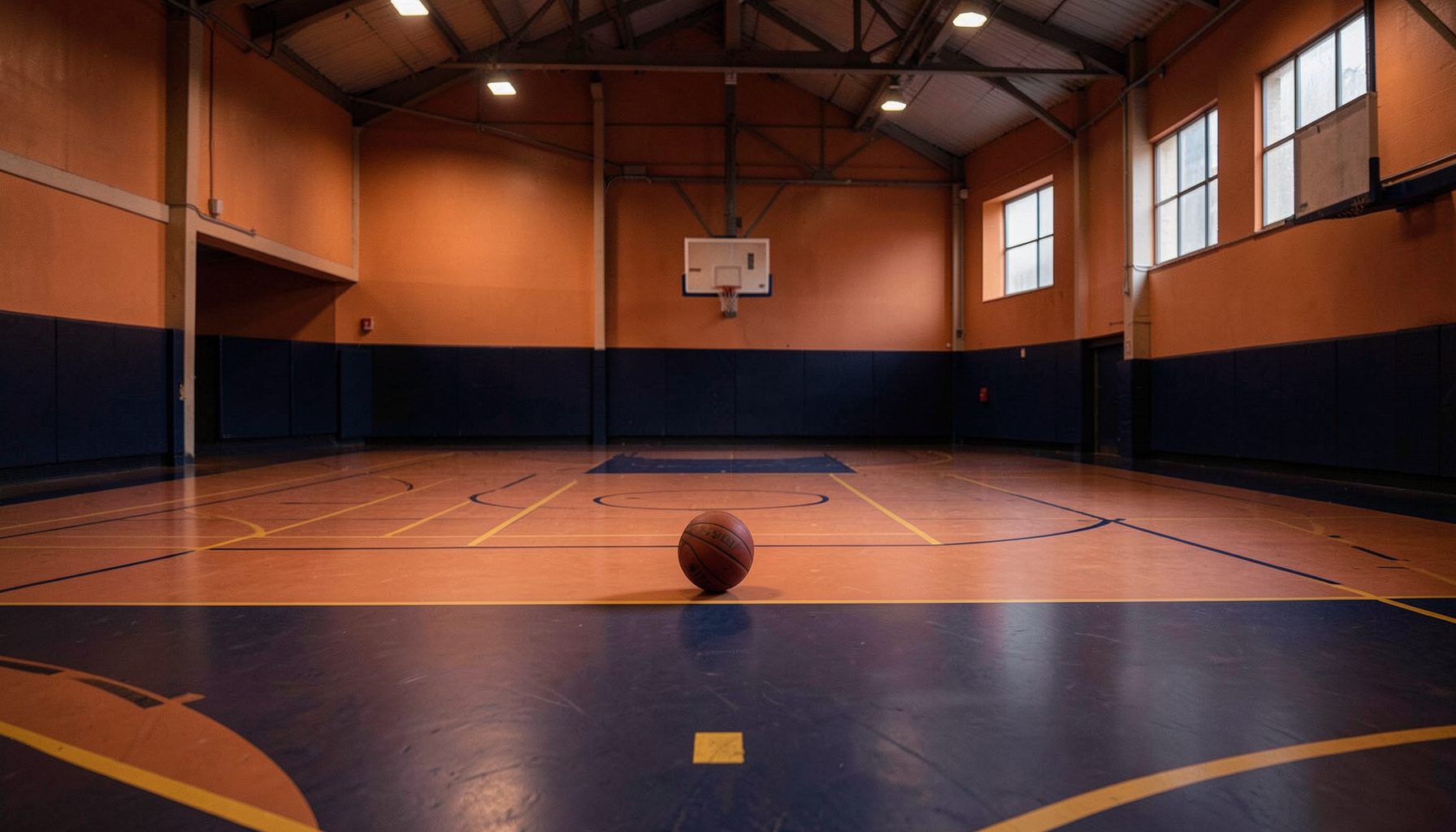
The Best Sit-Up Accessories for Core Workouts in Your Room
A strong core supports sprinting, jumping, changing direction, lifting, and maintaining posture through long study sessions. You do not need a commercial gym to train it effectively. With a few compact tools, a dorm room or bedroom can become a practical space for sit-ups, crunch variations, planks, and anti-rotation exercises.
The best sit-up accessories make home workouts more comfortable, controlled, and easier to progress. A supportive mat can reduce pressure on your spine, while a foot anchor can help you maintain a consistent setup. Other pieces, such as sliders and resistance bands, add variety without filling your room with bulky equipment.
For college athletes, the goal is not to complete endless repetitions. Quality movement, manageable volume, and regular recovery matter more than chasing fatigue. Choose equipment that fits your living space, protects your joints, and works with the schedule you already have.
Start With a Stable, Comfortable Surface
A fitness mat is the most useful accessory for room-based abdominal workouts. Carpet may feel soft initially, but it can compress unevenly and offer little support for your lower back. Hardwood and thin dorm flooring can create pressure points around the tailbone, hips, and shoulder blades.
Look for a mat between about 6 and 12 millimeters thick. A thicker mat generally provides more cushioning, although very soft foam can make balance-focused movements less stable. A textured, non-slip surface is helpful when your hands or feet contact the floor during planks, dead bugs, mountain climbers, and sit-up variations.
Length also matters. If you are tall, a standard yoga mat may leave your head or feet outside the supported area. A longer exercise mat gives you room to extend fully and reduces the need to reposition between sets. Wipe it down regularly, especially if you train after practice or share a small space with roommates.
Use Foot Support Without Losing Form
A foot anchor can make traditional sit-ups easier to organize. It keeps your feet from sliding and provides a consistent base for movements that involve raising your torso. Some models wedge under a door, while others attach to a mat or use adjustable straps around a heavy piece of furniture.
An anchor should hold your feet securely without forcing your ankles into an uncomfortable angle. Test it with slow repetitions before performing fast sit-ups. If the device shifts, stop using it and find a more stable setup. Never rely on a lightweight chair, rolling desk, or unsecured bed frame as an anchor.
Foot support is useful, but it can also allow the hip flexors to dominate the movement. Keep your ribs controlled, avoid pulling aggressively on your neck, and stop the repetition when you lose abdominal tension. A curl-up with a shorter range of motion may be more productive than swinging through a full sit-up.
Compare Compact Core Training Tools
Different accessories solve different problems. A mat improves comfort, an anchor increases setup consistency, and a resistance band lets you train the trunk through anti-extension or rotational exercises. An ab roller can provide a difficult challenge, but it requires more control and may be unsuitable for beginners with limited shoulder or lower-back stability.
The right option depends on your room, training age, and existing routine. The following comparison can help you decide which pieces deserve space in a small apartment or dorm.
| Accessory | Best use | Space required | Main benefit | Watch out for |
|---|---|---|---|---|
| Exercise mat | Sit-ups, crunches, planks | Low | Cushioning and grip | A mat that is too soft can reduce stability |
| Foot anchor | Anchored sit-ups and curls | Very low | Keeps feet from sliding | Unstable anchors can create awkward joint angles |
| Resistance band | Pallof presses, banded crunches, rotations | Very low | Adds adjustable resistance | Do not attach it to weak furniture |
| Sliders | Body saws, knee tucks, mountain climbers | Very low | Trains core control and coordination | Smooth floors may require a towel underneath |
| Ab roller | Rollouts and anti-extension work | Low | High core demand in a compact tool | Poor form can strain the lower back |
| Timer or interval app | Structured circuits and rest periods | None | Helps control workout length | Short rests should not replace sound technique |
Add Resistance Gradually
Bodyweight sit-ups can become repetitive, particularly for athletes who already perform core work during team training. A light resistance band can create new challenges without requiring a heavy dumbbell set. You might use it for banded crunches, standing anti-rotation presses, or slow resisted rotations.
Choose a band that allows clean movement through the full range. If you must jerk the band, hold your breath for every repetition, or twist your hips to complete the exercise, the resistance is too high. Anchor the band to a solid, immovable point at about chest height for anti-rotation work, and inspect it for tears before each session.
An ab roller is another compact option, but it is an advanced tool rather than a replacement for basic trunk training. Start from the knees and roll only as far as you can maintain a neutral spine. Two or three controlled repetitions can be enough at first. Progress by extending the distance gradually instead of racing toward high-volume sets.
Build a Room-Friendly Core Circuit
A useful bedroom workout can take 10 to 15 minutes and include several movement patterns. Rather than performing only sit-ups, combine trunk flexion with anti-extension, lateral stability, and hip control. This creates a more balanced session and may reduce irritation caused by repeating the same spinal motion.
Try two or three rounds of eight to twelve controlled curl-ups, a 20- to 30-second plank, eight dead bugs per side, and six to ten slider knee tucks. Rest for 30 to 60 seconds between movements as needed. If you have an anchor, substitute anchored sit-ups for curl-ups, but keep the pace slow and stop before your form breaks down.
College athletes also need to account for practice, lifts, travel, exams, and sleep. A short core circuit performed consistently is usually easier to recover from than a demanding session added randomly after exhausting team training. Keep notes on soreness and performance so you can adjust the volume before discomfort becomes a problem.
Make the Setup Fit Your Schedule
The best equipment is the gear you will actually use. A mat that rolls under your bed, a band that fits in a desk drawer, and sliders that stay in a backpack are more practical than a large bench that blocks your walking space. Measure your available floor area before buying anything, especially if you live in a shared room.
Noise is another consideration. Avoid dropping metal weights or using equipment that rattles late at night. Sliders, bands, and bodyweight exercises are generally quiet, making them suitable for dorm environments. If you use a door-mounted anchor, confirm that the door closes and locks securely before applying force.
A simple workout calendar can help you place core sessions around practices and lifts. Use one or two focused sessions each week, then add brief activation work before training when appropriate. For broader support with college-athlete routines and resources, explore Student Ca$hlete alongside your personal training plan.
Protect Recovery and Mental Focus
Core training should support athletic performance rather than become another source of pressure. Soreness around the abdominal muscles can be normal after a new stimulus, but sharp back pain, persistent hip discomfort, numbness, or pain that changes your movement deserves attention from a qualified medical professional.
Breathing can improve control. Exhale as you curl upward, keep the ribs from flaring, and inhale during the return. Avoid holding your breath through an entire set. If you feel sit-ups mainly in your neck, place your hands lightly behind your head without pulling, reduce the range, or switch to dead bugs and planks.
Mental recovery belongs in the same routine as physical recovery. Between classes, competitions, and online responsibilities, student-athletes may benefit from accessible support tools such as these mental health apps. A calmer training mindset can make it easier to recognize fatigue and choose a sensible session.
Smart Buying Priorities for Small Spaces
Before purchasing several accessories, decide what your current routine lacks. Most athletes can get significant value from a quality mat and one adjustable tool before adding specialized equipment. Use these priorities when comparing products:
- Choose a non-slip exercise mat with enough length and cushioning for your body.
- Select a foot anchor only if it attaches securely and does not force uncomfortable ankle positions.
- Buy a resistance band with a manageable tension level and inspect it before every workout.
- Add sliders for inexpensive variety, especially if you have limited storage and a smooth training surface.
- Treat an ab roller as a progression tool, not a shortcut to faster results.
Keep Progress Simple and Measurable
Progress does not always mean adding more repetitions. You can slow the lowering phase, pause at the hardest point, increase the quality of each repetition, or reduce rest slightly. These adjustments make a familiar exercise more demanding while keeping the room setup unchanged.
Track the exercise, sets, repetitions, tempo, and how difficult the session felt. If you can complete every set comfortably for two or three workouts, increase one variable at a time. For athletes managing a full schedule, this approach offers a clear record without turning every workout into a lengthy project.
Your accessories should make training easier to organize, not distract from the fundamentals. Start with a stable surface, use anchored movements carefully, and earn advanced exercises through consistent control. When your core routine is efficient and repeatable, it can fit around classes, practices, and recovery instead of competing with them.
Build a compact setup this week with a supportive mat and one tool that matches your goals. Then schedule a short, controlled session and record how your body responds. As your training develops, use resources such as this guide to create a NIL pitch deck to support the broader demands of life as a college athlete.