Best Running Shoes for Heel Strikers on Hard Campus Pavement
A long walk between lectures can become an unexpected running session when you are late for class, crossing a large university campus, or moving from strength training to practice. For heel strikers, repeated contact with concrete, asphalt and paving can make footwear choice especially important. The right pair should soften impact without feeling unstable, sluggish or overly bulky.
Australian student-athletes deal with distinctive conditions: hot footpaths in Brisbane, slick winter pavements in Melbourne, long commutes around Sydney and the stop-start demands of O-Week. A running shoe that feels comfortable for a short treadmill workout may behave very differently across hard campus surfaces. Cushioning, heel-to-toe drop, outsole grip and fit all deserve attention.
What Heel Strikers Need From A Campus Shoe
Heel striking is a normal running pattern in which the rear portion of the shoe contacts the ground first. It does not automatically mean poor technique, although landing heavily in a worn-out shoe can increase discomfort through the heels, shins, knees and lower back. A well-designed heel counter, responsive midsole and durable rubber outsole can make daily movement feel smoother.
Heel-to-toe drop is particularly relevant. A moderate or higher drop, often around 8 to 12 millimetres, can feel comfortable for runners who prefer a noticeable heel platform. It may also reduce the sensation of stretching through the calf and Achilles tendon compared with a very low-drop model. This is a preference rather than a medical rule, so a transition should be gradual.
Hard surfaces also reward consistent cushioning. Soft foam can absorb impact, but excessive softness may feel wobbly when turning across a quad or walking down stairs. Look for a broad base, a secure heel cup and enough torsional structure to keep the foot centred. The shoe should bend near the forefoot while retaining support beneath the heel.
Features That Matter During A Busy Training Week
A university shoe has to do more than handle a single run. Student-athletes may wear it for a morning jog, a lecture block, a weights session warm-up and an evening walk home. That makes moderate weight and breathable mesh useful, especially during warm Australian semesters. A padded tongue and smooth heel collar can prevent irritation when the shoes are worn for several hours.
Outsole rubber matters on concrete paths and sealed courts. Deep lugs are unnecessary for most campuses, but a flat, durable rubber pattern gives better traction on painted walkways and wet pavement. Melbourne rain can make tiles slippery, while Sydney’s coastal air and Brisbane’s humidity can accelerate odour and material wear. Allowing shoes to dry fully between sessions helps preserve the upper and midsole.
Fit should be checked with the socks you actually train in. There should be roughly a thumb’s width between the longest toe and the front of the shoe, while the heel should remain secure without aggressive lacing. Wider-foot options from ASICS, New Balance, Brooks and Hoka can be helpful, but width labels vary between brands. Use an Australian retailer with a sensible return policy when ordering online.
For broader guidance on managing study, sport and daily organisation, the student-athlete posts provide useful context beyond footwear. Shoes are one part of an effective routine; recovery, sleep and realistic scheduling influence how well your body handles repeated pavement contact.
Strong Options For Concrete And Asphalt
The Brooks Ghost Max 2 is a strong choice for runners wanting a protective, stable feel without the extreme height of some maximal shoes. Its broad platform and rocker shape can reduce the sensation of braking at heel contact, while the substantial cushioning suits long campus walks. It is relatively structured, so runners seeking a very flexible, low-profile shoe may find it too substantial.
The ASICS Gel-Nimbus 27 prioritises plush comfort and is well suited to easy runs and high-mileage walking. Its generous heel cushioning can appeal to runners who notice impact through hard footpaths, although the soft ride may feel less lively during intervals. ASICS is widely available in Australia, including through specialist running stores where gait and fit advice can be easier to obtain.
The New Balance Fresh Foam X 1080v14 offers a softer, smoother ride and commonly comes in multiple width options. That makes it useful for athletes whose feet swell during long days or who need extra room around the forefoot. The fit is generally comfortable for walking between classes, though runners who want a firm, highly responsive platform may prefer the Saucony Triumph 22.
Hoka Bondi 9 is built for maximum cushioning and a stable, rolling transition. It can be especially appealing to athletes returning from a period of reduced running or those who spend hours standing and walking. Its tall sole changes ground feel and may take time to adjust to on stairs or uneven paving. Try it in person before committing, particularly if you prefer a close-to-ground ride.
| Shoe | Ride And Cushioning | Heel-Striker Advantages | Best Campus Use | Potential Drawback |
|---|---|---|---|---|
| Brooks Ghost Max 2 | Protective, moderately firm, rocker-assisted | Broad heel platform and stable landing | Daily walking and easy runs | Feels bulky to lightweight runners |
| ASICS Gel-Nimbus 27 | Plush and impact-focused | Comfortable rearfoot cushioning | Long commutes and recovery miles | Less responsive for fast sessions |
| New Balance 1080v14 | Soft, smooth and adaptable | Width options and easy transitions | Mixed study, walking and training days | May feel too soft for some athletes |
| Hoka Bondi 9 | Maximum cushioning with rolling geometry | High protection from hard surfaces | Standing, walking and easy jogging | Tall profile needs an adjustment period |
| Saucony Triumph 22 | Cushioned but energetic | Balanced impact protection and response | Easy runs with occasional tempo work | Heel fit may not suit every foot shape |
Matching The Shoe To Your Training Load
The best model depends on how much running you do outside formal practice. An athlete who mainly walks across campus and completes two easy runs each week can prioritise cushioning, comfort and durability. Someone adding regular road mileage needs a more versatile midsole that remains stable during longer sessions and does not feel flat after repeated use.
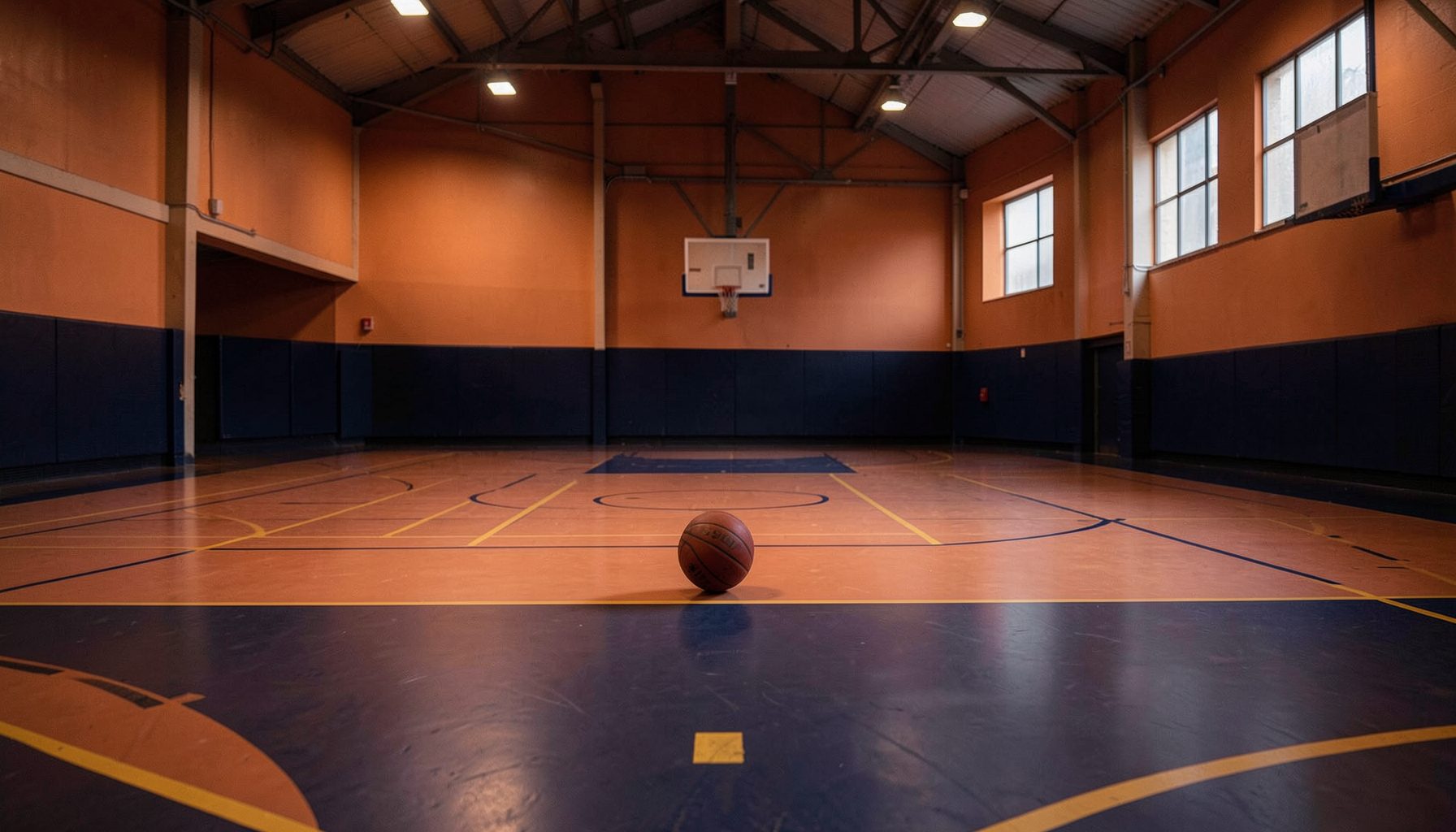
For court sports, avoid assuming that a highly cushioned road shoe is suitable for every workout. Basketball, netball and indoor volleyball require lateral stability that many running shoes cannot provide. A running shoe can handle warm-ups, conditioning and commuting, but sport-specific footwear is safer for sharp cuts and repeated side-to-side movement.
A pair should also match the athlete’s current condition. If heel pain is persistent, worsening or accompanied by swelling, changing shoes alone is not a complete solution. A physiotherapist or podiatrist can assess training load, mobility and running mechanics. Reducing sudden mileage increases and replacing visibly compressed shoes may be just as important as selecting a new model.
Australian pricing fluctuates with seasonal promotions. Expect premium daily trainers to sit broadly in the A$200–A$300 range at full retail, with older colourways frequently discounted by Rebel Sport, The Athlete’s Foot and Australian running specialists. Check return terms, GST-inclusive prices and whether a sale item can be exchanged before ordering.
Making Pavement Miles More Comfortable
Start new shoes with short walks rather than wearing them immediately for a full day of lectures and practice. A few brief outings allow the upper to settle and reveal pressure points before they become blisters. Alternate with an older, still-functional pair for the first week if your schedule permits. A shoe should feel comfortable from the beginning; a painful break-in period is usually a warning sign.
Lacing can make a noticeable difference for heel strikers. A runner’s-knot technique can reduce heel lift, while loosening the lower eyelets may relieve pressure across the forefoot. Use technical socks that manage moisture and avoid cotton pairs that stay damp after a sweaty Brisbane afternoon. Rotate shoes so the foam has time to recover between demanding sessions.
Campus footwear also needs to coexist with books, uniforms and recovery equipment. A properly organised training bag prevents shoes from being crushed beside wet clothing or food containers. The guide to versatile gym bags is useful for athletes carrying practice gear and textbooks through a full day.
Clean mesh with a soft brush and mild soap, then air-dry shoes away from direct heat. Do not put them in a clothes dryer or leave them on a hot car dashboard, as heat can weaken adhesives and deform foam. Check the heel rubber and midsole regularly; uneven wear, a collapsed heel or reduced cushioning suggests that replacement time is approaching.
Choosing With Australian Conditions In Mind
A shoe that works in an air-conditioned gym may feel different during an outdoor session in Perth, Adelaide or the Gold Coast. Heat can increase foot swelling, so a breathable upper and a little extra toe room may improve comfort. In wet weather, prioritise an outsole that grips sealed paths rather than choosing a model solely for its softness or visual appeal.
Try both shoes late in the day, when feet are usually at their largest, and walk on a firm surface before deciding. Compare the heel hold, forefoot room and transition from heel to toe. If you use orthotics, bring them to the fitting because they can alter internal volume and heel position. A specialist store can often compare several models on a treadmill or short outdoor test.
For many heel strikers, the most reliable choice will be a cushioned daily trainer with a secure heel, moderate drop and durable rubber. Brooks Ghost Max 2, ASICS Gel-Nimbus 27, New Balance 1080v14, Hoka Bondi 9 and Saucony Triumph 22 each approach that brief differently. The ideal pair is the one that feels stable after several kilometres, remains comfortable during a full campus day and fits the demands of your sport.
Water-based training and recovery also require practical safety habits, especially for athletes using pools, beaches or outdoor facilities. The resources at water safety guidance offer relevant reminders for training environments where fatigue, weather and unfamiliar conditions can create additional risks. A considered footwear choice, sensible training progression and attention to local conditions together make hard-surface running more manageable.