The Best Gloves for Lifting in Cold Gyms During Winter Conditioning
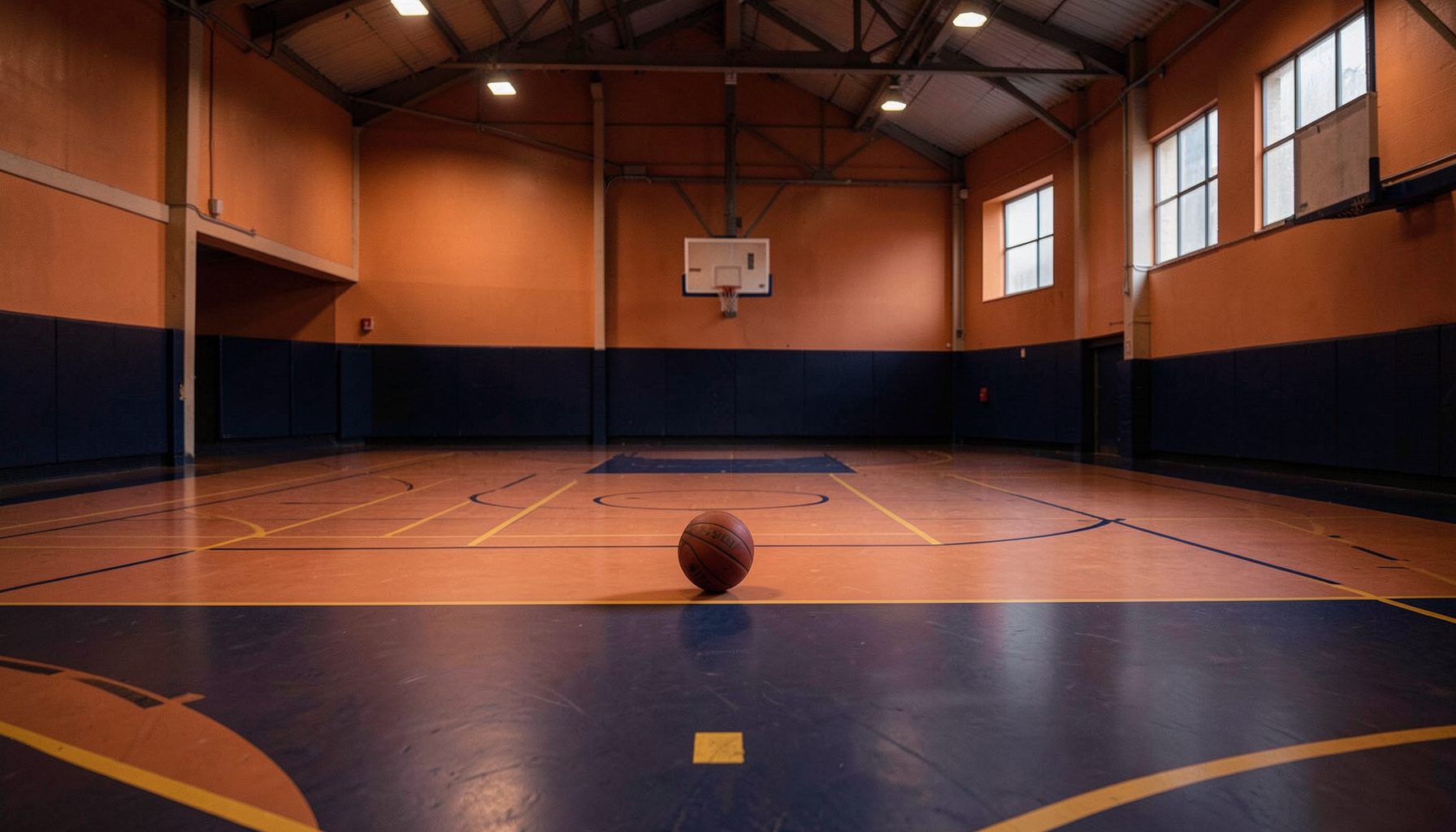
Winter in Australia runs from June through August, and while the southern states drop into single-digit mornings, the chill hits hardest inside unheated warehouse gyms and converted industrial strength rooms. Most collegiate strength programs at universities in Melbourne, Hobart, Adelaide, and even inland NSW keep conditioning spaces either poorly insulated or deliberately cool to stop equipment overheating. When your fingers go numb mid-set, your grip strength drops measurably, the bar slips, and your wrist mechanics go out the window. A decent pair of lifting gloves becomes less about padding and more about keeping the working tissue warm enough to fire properly.
The Australian market is also surprisingly limited compared to the US. Most major lifting glove brands are imported, and sizing runs on the small side if you buy direct from overseas sites without trying them on. Adidas, Nike, and Gymshark stock through Rebel Sport and the local JD Sports chains, but purpose-built powerlifting gear typically arrives through smaller Australian distributors or direct shipping from Harbinger, JOC, or Mechanix Wear. Knowing which style suits your lifts, your hand shape, and your winter schedule saves you from ordering gear that sits in a drawer after one painful deadlift session.
Why cold hands cost you reps
When skin temperature drops below about 20°C, blood flow to the forearms is restricted to protect the core. That same reduced circulation slows the firing rate of the flexor digitorum and thumb muscles you depend on for grip. Studies on cold-weather grip show drops of 8-15% in static hold times once hands cool past that threshold, which mirrors what most athletes feel when the barbell starts sliding during their third working set of front squats.
On top of the physiology, the bar itself behaves differently in a cold room. A standard 20kg steel bar will feel almost sticky in a humid Brisbane summer sweatbox but turn painfully slick inside an Adelaide warehouse at 7°C. Calluses that normally give you a textured grip surface flatten slightly when the skin contracts, and chalk becomes useless once humidity shifts indoors. Gloves restore the tactile barrier you lose to winter air and let your nervous system trust the load again.
This is one of the quieter reasons strength programs in Tasmania and the ACT schedule accessory work earlier in sessions, before the room fully cools. If you train at 6am in Canberra during July, you'll know exactly why a thin layer of padded leather on the palm is suddenly non-negotiable.
What actually matters in a winter lifting glove
Padding thickness is the first thing shoppers chase, but for cold-weather training the material matters more than the foam. Full-grain leather and synthetic microfibre composites insulate far better than the mesh-backed gloves marketed as breathable. Look for a closed-cell foam layer bonded to a leather palm, ideally with a fleece or brushed tricot lining that wicks sweat without becoming saturated.
Wrist support is the second consideration. Any glove worth wearing in winter should have either an integrated wrap or a wide elastic cuff that you can tighten over a long sleeve. Open-back designs that leave the wrist joint exposed defeat the purpose when your goal is keeping the joint mobile and warm during heavy pulls.
Finger coverage is the third decision point. Full-finger gloves trap heat best but reduce the bar feel some lifters want on bench press. Fingerless designs with a reinforced thumb wrap give you a middle ground. Australian warehouse gyms tend to be dusty and dry, so you also want stitching that won't fray when the leather dries out between sessions. Bonded or double-stitched seams last noticeably longer than single-needle construction.
Sizing runs small across most imported brands. If you're a men's medium in a Nike training glove, you'll often need a large in Harbinger or a medium in Mechanix Wear. Rebel Sport's in-store fitting is worth the trip if you're near a major metro store in Sydney, Melbourne, or Perth before committing online.
Powerlifting-focused picks for heavy compounds
For athletes running Smolov-style blocks or high-frequency deadlift sessions in an unheated facility, the Harbinger Pro Wristwrap Glove remains the local benchmark. The leather palm holds up to chalk and sweat, the 18-inch wrist wrap stabilises the joint during maximal pulls, and the price sits around AUD $70-90 depending on the seller. Most Division I programs in Queensland and NSW that still train indoors through July keep a few pairs in the kit room for athletes who arrive without their own.
The alternative worth considering is the JOC Active Recovery Glove, an Australian-distributed option that's lighter but warmer. It uses a thermal liner bonded to a thinner palm pad, which suits squat and overhead days where you don't want the bulk between your hand and the bar. Build quality is solid and the sizing chart on the local distributor's site is accurate, which matters when returns from regional areas can take a week.
Both options also work within compliance rules around NIL and team obligations, since neither carries visible branding that would breach most university agreements around sponsored apparel.
Cross-training and hybrid conditioning
If your winter program mixes barbell work with sled pushes, kettlebell flows, and GPP circuits, you want something more versatile than a dedicated powerlifting glove. Mechanix Wear's M-Pact series, originally designed for mechanics and tradies, has been adopted widely by athletes doing functional blocks because the reinforced knuckle protection handles awkward grip angles and tire flips well. The padded palm is warm enough for cool gym interiors but flexible enough to not interfere with pull-ups or muscle-ups.
The other practical choice for hybrid work is a minimalist leather palm glove from a local cycling or outdoor brand, sold through stores like Anaconda or Kathmandu. These aren't marketed as lifting gear, but their weather-resistant construction handles cold-weather training, and the cost is usually under AUD $50. They wear in rather than wear out, which is the opposite of how most gym-only gloves behave.
For athletes combining lifting with winter running blocks, layering matters too. Choosing running shorts that hold a phone securely becomes relevant once your warm-up jog outside the gym needs to coexist with your lifting shoes and gloves drying on the rack between sessions.
Budget picks and where to actually buy them
Affordable doesn't have to mean disposable. The Adidas Performance Training Glove, available through Rebel Sport and JD Sports Australia, runs around AUD $35 and punches well above its weight for general strength work. The synthetic leather palm handles cold weather adequately, though the wrist closure is basic and you'll want to layer a separate wrap underneath for heavy pulls.
Gymshark's Protection Glove, sold direct from the Australian Gymshark warehouse for AUD $40, is the best value option for female athletes who struggle to find appropriately sized powerlifting gloves in mainstream Australian retail. The cut is narrower and the wrist cinch is genuinely adjustable rather than decorative.
Kmart and Target Australia both carry generic training gloves in the AUD $15-25 range. These are fine for a single winter block but the foam compresses fast and the seams rarely survive more than a few months of regular use. Treat them as a stopgap, not an investment.
For athletes in regional areas without easy access to specialist retailers, finding ways to earn through sports-content side hustles has become a common workaround for stretching a tight training budget. It's a separate conversation from glove choice, but it shows how student-athletes balance gear costs against other priorities during a long winter block.
Sizing, care, and when gloves are actually holding you back
Gloves are tools, not crutches, and there are situations where wearing them hurts more than helps. Heavy deadlift sessions with mixed grip or hook grip benefit from gloves because the palm pressure is concentrated. But for Olympic lifts, the snatch especially, the bar feel you get from bare hands is harder to replicate, and most coaches will tell you to ditch the gloves on those movements regardless of the temperature.
Fit should be snug without restricting blood flow. A glove that compresses the fingers defeats the purpose in winter. If your fingertips go white and cold shortly after putting them on, size up. Conversely, gloves that bunch at the palm create hot spots that blister under heavy load. Try a few pairs in person if you can, ideally in a store that lets you grip a weighted dumbbell or bar to test the closure under tension.
Care is straightforward: wipe the palm with a damp cloth after each session, let the gloves air dry away from direct heat, and rotate between two pairs if you train four or more times a week. Avoid leaving them in a gym bag overnight, since trapped moisture breaks down the lining faster than anything else, especially in humid coastal cities like Sydney and the Gold Coast where winter air still carries moisture.
Worth noting under Australian Consumer Law: you're entitled to a replacement or refund if the gloves fail well before the advertised lifespan due to a manufacturing defect. Keep your receipt, and don't write off a faulty pair as "just how it is" if the stitching falls apart after three weeks. The ACCC treats fitness gear the same as any other consumer product, and retailers honour that more often than athletes realise.