Eye black stickers that stay sharp under stadium lights
Eye black stickers are a simple way to reduce glare, add personality to a game-day look, and avoid the mess of traditional grease. The problem is that many adhesive patches begin to curl, fade, or slide once sweat, heat, rain, and bright stadium lighting enter the picture. A sticker that looks crisp in the change room may be barely visible by the final quarter.
For Australian athletes, conditions can be especially demanding. A summer afternoon at a Brisbane oval, a humid night in Sydney, or a cold Melbourne training session can test the adhesive before the match is halfway through. The best eye black stickers that don’t smudge under lights should remain firmly positioned, show a deep, even colour, and remove without leaving a stubborn residue.
What makes an eye black sticker reliable
A dependable eye black patch starts with its adhesive. Look for a flexible, skin-safe backing that can move with facial expressions rather than a stiff label that lifts at the corners. The surface should also resist sweat and light rain, particularly if you play AFL, rugby, baseball, softball, lacrosse, or touch football.
Shape matters as much as glue. Long, narrow strips generally sit below the lower eyelid without interfering with vision, while rounded or logo-shaped patches can work well for younger athletes and teams wanting a coordinated look. Avoid pieces that reach too close to the tear duct, as moisture in that area can loosen the inner edge quickly.
A matte finish is usually preferable under floodlights. Glossy vinyl can reflect light back towards the face and look distracting in photographs, while a flat black surface gives a cleaner appearance. If you want a custom colour or metallic finish, test it at training first rather than discovering under match conditions that it reflects more than expected.
The best formats for game-day use
Pre-cut strips are the safest choice when speed matters. They are easy to apply with clean fingers, create a symmetrical result, and can be stored in a kit bag without carrying a separate applicator. Franklin Sports and Rawlings-style eye black stickers are common examples of this straightforward format, although stock and naming can vary between Australian retailers.
Logo decals and personalised patches are better for school teams, clubs, and athletes building a recognisable visual identity. They can make a team photo or short highlight clip look more polished, but intricate edges give sweat more places to work underneath. For a sponsorship campaign, a simple bold shape usually survives longer than a detailed design.
A useful middle ground is a full-length strip that can be trimmed slightly at the ends. This lets you adapt the placement to your face while keeping the central surface intact. Carry two spare pairs in a resealable bag, because a replacement takes seconds and is far easier than trying to press down a sticker that has already collected dust or sunscreen.
How to stop patches lifting or smearing
Apply eye black decals to clean, dry skin. Sunscreen, moisturiser, facial oil, and heavy concealer can all weaken the bond, so leave a small clear area beneath each eye when completing your pre-game routine. Dab the skin dry with a towel, place the sticker from the centre outward, and hold each end down for several seconds.
Do not apply a patch immediately after sweating through warm-ups. If you need to replace one during a break, gently clean the area with a damp cloth, dry it thoroughly, and use a fresh piece. Pressing a loose sticker back into place often traps sweat underneath and creates the same sliding problem within minutes.
Athletes who wear glasses or protective eyewear should check the lower frame before the match. A decal positioned too high can rub against the nose pads, while one placed too low may crease when you smile or call to a teammate. Test your preferred position while running, looking upwards, and turning your head.
How lighting changes the result
Stadium lighting exposes uneven edges and faded pigment more than natural daylight. At an evening match on the Gold Coast or under the powerful lights at a Sydney sports ground, a grey-looking sticker can appear washed out in photographs. Deep black, low-sheen material generally provides the strongest contrast without creating glare.
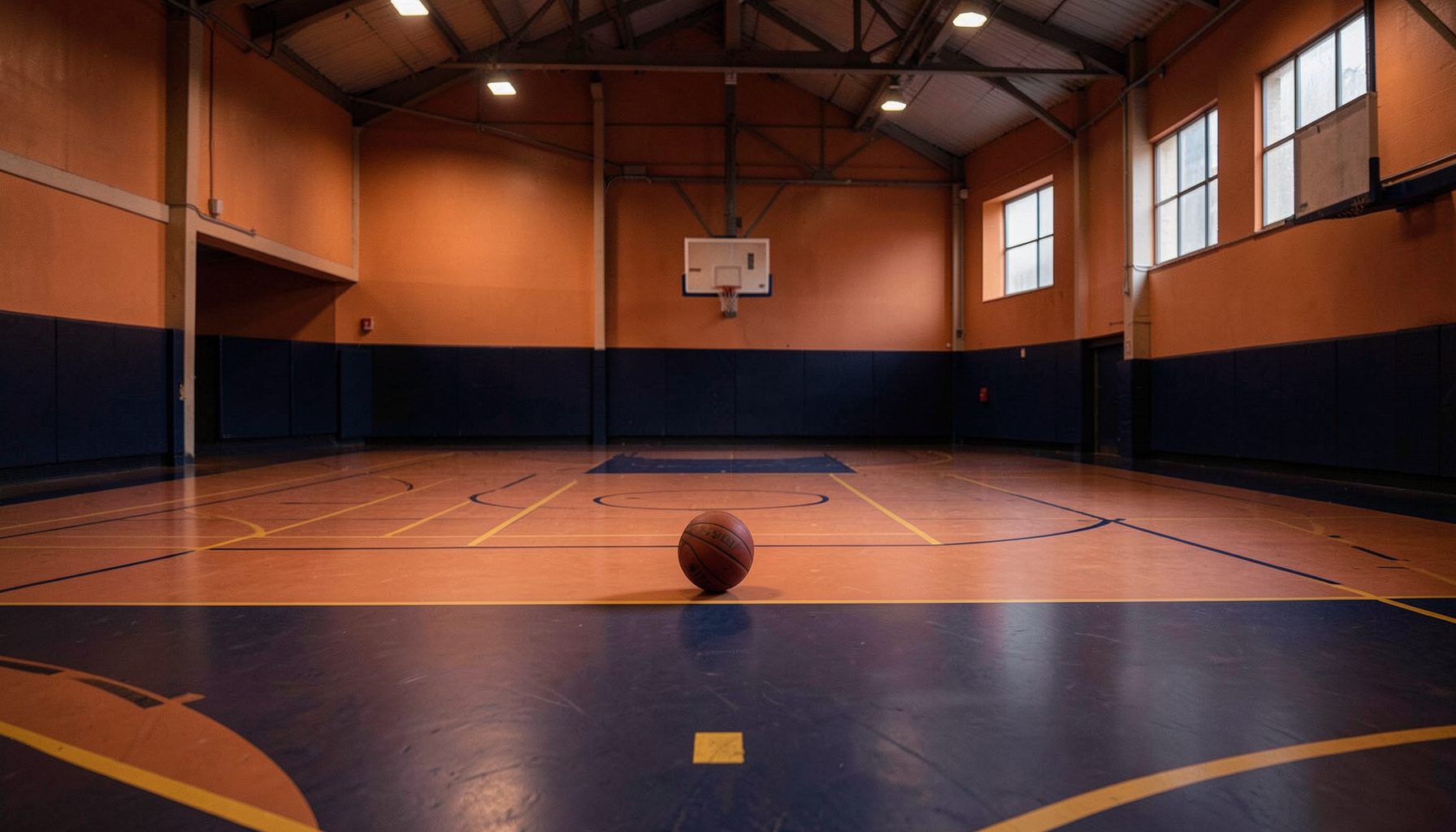
Indoor venues introduce a different issue. Basketball courts, netball centres, and training halls may use overhead LEDs that create sharp highlights on smooth plastic. Matte decals are less distracting, and thin strips are preferable when the rules or venue culture favour a restrained appearance.
For athletes who use eye black as part of a personal brand, consistency is valuable. Use the same shape and placement across match photos, social clips, and promotional shoots. When preparing a sponsorship presentation, a clear visual identity can sit neatly beside performance information in a NIL pitch deck, especially when the decal represents a club, supplier, or campaign.
Comfort, safety, and removal
Choose products described as skin-safe and avoid using ordinary craft stickers near the eyes. Adhesive designed for paper or hard surfaces may contain irritants, and a patch that feels fine at first can become uncomfortable after prolonged exposure to sweat. Anyone with eczema, sensitive skin, or a history of reactions should test a small piece on the cheek before wearing it for competition.
Eye black should never block peripheral vision or touch the eyelid. Leave enough space below the eye to blink naturally, and remove the patch immediately if you experience burning, swelling, watering, or blurred sight. Coaches and parents should be especially careful with junior athletes, who may rub their eyes without thinking during a game.
Removal works best when done slowly from one corner. If the adhesive is strong, soften it with warm water or a small amount of skin-safe cleanser rather than pulling sharply. Wash away any residue before bed, and avoid sharing unopened-looking strips from a communal packet if individual packaging has been compromised.
Value, availability, and Australian buying choices
Australian shoppers will often find eye black stickers through baseball and softball suppliers, larger sporting-goods chains, club uniform stores, and online marketplaces. Availability can change quickly outside the main baseball season, so compare the delivered price rather than relying on a low sticker price. Imported packs may attract shipping charges, GST, or longer delivery times, which makes a locally stocked multipack better value for regular players.
For weekend footy, a basic black strip is usually enough. AFL and rugby players may prefer wider decals that remain visible during contact, while cricket players should consider how the adhesive handles long sessions in direct sun. In Adelaide, Perth, and regional Queensland, heat can matter more than floodlights; in Hobart or Melbourne, cold and damp conditions may make skin preparation the deciding factor.
Do not assume the most expensive pack has the strongest hold. A mid-priced product with individually protected strips, a matte surface, and clear sizing information may outperform a premium-looking pack with thin backing. Reviews are most helpful when they mention sport, playing time, weather, and whether the wearer was sweating heavily.
Using the look beyond competition
Eye black can become part of an athlete’s recognisable presentation, particularly in highlight videos and social posts. Keep the design legible at a distance and avoid tiny lettering that disappears on camera. If a sponsor wants branding, confirm that the league, school, tournament, or governing body permits commercial marks on the face before ordering a large batch.
A sponsored look should still feel authentic to the sport. A clean black strip may suit a serious recruiting clip, whereas a team-colour accent could fit a club launch or charity round. Keep entertainment and commercial partnerships separate from claims about product performance; a media collaboration, such as a serials coverage site, may reach a different audience and should not be presented as evidence that a sticker lasts through a match.
The strongest routine is simple: clean skin, apply the decal shortly before warm-up, check both edges after the first intense drill, and keep spares in the kit. Athletes can also review their appearance in game footage rather than relying on a mirror, since a patch may look secure face-to-face but lift visibly when viewed from the side.
For more guidance on athlete branding, product reviews, and balancing sport with study, the Student Ca$hlete background explains the experience behind the platform. Product questions, partnership enquiries, or corrections can be directed through the contact page, while the practical standard remains the same: the sticker should stay comfortable, secure, and visually sharp from warm-up until the final whistle.