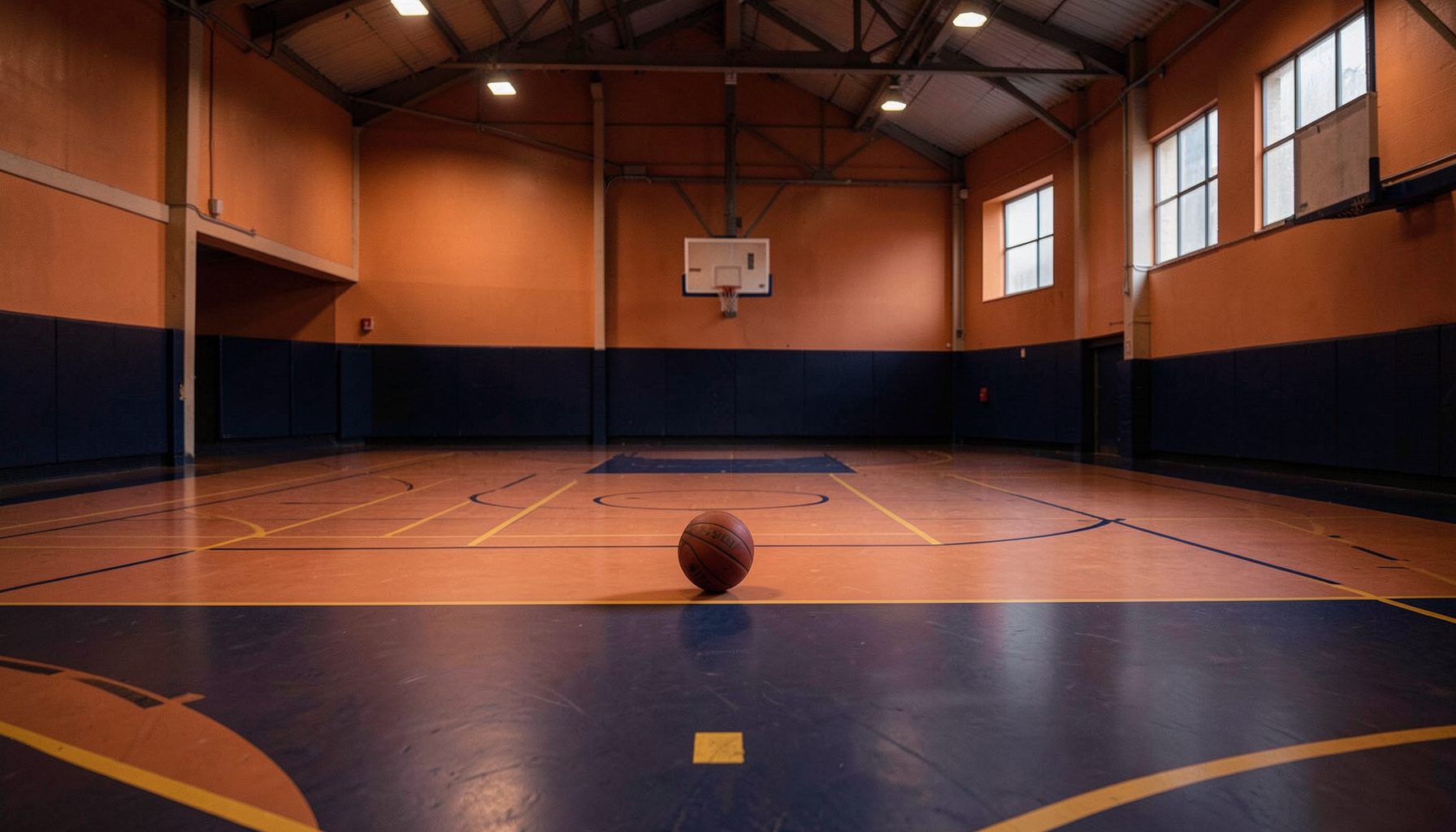
How to use NIL to sponsor a youth sports camp
A youth sports camp can turn an athlete’s name, image and likeness (NIL) into a practical community project. Instead of promoting a product in a social media post, you can use your sporting profile to attract registrations, secure sponsors, teach younger players and create a paid opportunity that has genuine local value.
For Australian readers, the term NIL needs some context. It is most closely associated with United States college athletics, where student-athletes may enter commercial agreements under changing NCAA and state rules. Australian athletes may instead rely on school policies, sporting-body regulations, employment rules and ordinary sponsorship contracts. The same principles still apply: define the value you offer, protect young participants and record every commercial arrangement clearly.
Start with a useful camp concept
The strongest camp idea is specific rather than broad. A two-day basketball skills clinic in Melbourne, a netball holiday programme in Brisbane or a surf conditioning camp on the Gold Coast gives families a clear reason to register. Choose an age range, ability level and central coaching theme, such as shooting technique, injury prevention, speed development or confidence under pressure.
Your athletic background should shape the experience. A Division I athlete might offer insight into training habits, recovery and the transition from junior sport to university competition. An Australian athlete could add local knowledge about school sport, club pathways, representative trials and the demands of travelling between regional areas and capital cities.
Set measurable outcomes before approaching sponsors. You might aim for 40 participants, two qualified coaches, one strength and conditioning session, and a subsidised place for athletes from lower-income families. These details make the camp easier to price and give businesses a concrete story to support.
A camp also needs a realistic schedule. Australian school holidays, summer heat, public transport and weekend club fixtures can affect attendance. A morning session may work better in Perth or Brisbane during warmer months, while an indoor venue can reduce weather risk in Melbourne or Hobart.
Build the NIL partnership offer
NIL sponsorship is an exchange of value. A business is not simply paying for your reputation; it is receiving agreed promotional exposure, personal appearances, content, community engagement or association with a well-run youth initiative. Write those benefits in plain language before discussing money.
A local sports retailer might provide footwear vouchers, discounted equipment or a cash contribution in return for branded signage, a short product demonstration and several approved social posts. A physiotherapy clinic could sponsor a recovery session and receive a speaking opportunity, provided the information is educational and does not become unsuitable medical advertising.
Prepare a one-page partnership sheet with your audience, sport, social reach, camp concept, expected attendance, dates, venue and deliverables. Include a short athlete biography and explain why the sponsor fits the programme. Businesses in Sydney, Adelaide or Canberra may value local visibility, while a national apparel brand may want high-quality video content that can be reused across Australia.
Use a tiered structure without promising more than you can deliver. A community partner might receive logo placement and two posts. A presenting partner could receive naming rights, a welcome address and branded participant packs. Confirm whether products are supplied free, discounted or exchanged for promotional work, because each arrangement has different financial and tax implications.
Protect young athletes and your reputation
Working with children creates responsibilities that go beyond marketing. Obtain written consent from a parent or guardian, collect only necessary information, and explain how photographs and videos will be used. Registration forms should cover emergency contacts, medical information, allergies, pickup permissions and consent for media.
Check the rules that apply in your state or territory. Requirements can involve Working with Children Checks, child-safe standards, first aid, venue supervision and incident reporting. Sporting organisations, councils and insurers may impose additional conditions. A sponsor should never be allowed to use a child’s image or personal details simply because it supported the event.
Keep commercial content age-appropriate. A youth camp should not encourage children to purchase products directly or imply that expensive equipment guarantees better performance. Product demonstrations should focus on fit, function and safe use. If a brand supplies supplements, avoid making performance or health claims that are not supported by qualified professional advice.
Your agreement should also address cancellation, injuries, weather, inappropriate conduct, intellectual property and content approval. Decide who owns photographs, whether the sponsor can edit your footage, and how long the business may use your name and image. These points matter when a short local campaign later appears in paid advertising.
Make the camp financially workable
Prepare a basic budget before setting a sponsorship fee. Include venue hire, coaching payments, first aid, insurance, permits, equipment, participant merchandise, payment processing, advertising and a contingency reserve. A free facility is helpful, but confirm cleaning, security and after-hours costs before treating it as no-cost.
Food and hydration deserve particular care. Participants may arrive after school or play multiple sessions, so plan water access, shaded breaks and clear allergy procedures. A practical nutrition strategy can help you structure snacks and recovery options without turning the camp into a clinical programme.
Do not assume that donated products have no value. Record the retail value of equipment, apparel or food supplied by a partner, and keep invoices and receipts. Depending on your structure and location, income may affect your tax position, Australian Business Number arrangements or GST obligations. An accountant can explain how sponsorship, appearance fees and product exchanges should be reported.
Your personal presentation is part of the partnership. Arriving prepared, wearing agreed apparel and delivering content on time builds trust. Small details matter at a youth event: fresh kit, clean footwear, organised sign-in and a professional venue setup. Between training and school commitments, quick refresh essentials can help you stay presentable, but personal care should support the camp rather than become its central message.
Measure the result and document delivery
Sponsors need evidence that the camp achieved what was promised. Track registrations, attendance, participant demographics in an appropriately privacy-conscious way, social impressions, video views, email reach and any direct sales or enquiries connected to the campaign. A simple sign-in system and unique discount code can provide useful data without collecting unnecessary personal information.
Ask parents and participants for feedback using a short survey. Useful questions can cover coaching quality, venue suitability, safety, session difficulty and whether attendees would return. Gather testimonials only with permission, and do not pressure children to provide public endorsements.
After the event, send the sponsor a concise report with photographs that have approved consent, a summary of deliverables, performance metrics and a note about community outcomes. If the camp funded free or discounted places, show how many athletes benefited. This turns a one-off NIL activation into evidence for future partnerships.
The following framework can help match common sponsor types with suitable camp assets:
| Sponsor type | Possible contribution | Suitable NIL deliverables | Important checks |
|---|---|---|---|
| Local sports retailer | Cash, equipment or vouchers | Product demonstration, logo placement and approved social content | Avoid implying that one product suits every athlete |
| Physiotherapy or allied-health clinic | Recovery session or professional fee | Educational presentation and referral information | Use qualified staff and avoid unsupported medical claims |
| Nutrition business | Food, hydration products or cash | Snack station, recipe content and camp branding | Check allergies, age suitability and advertising rules |
| Council or community organisation | Venue access, grant funding or promotion | Community appearance and local media content | Confirm permits, insurance and child-safety requirements |
| Apparel brand | Clothing or participant merchandise | Branded camp kit, photographs and short-form video | Set clear image rights, approval processes and usage duration |
Your own agreement should state the campaign dates, payment schedule, inclusions, exclusions and approval process. If you are a US college athlete, review the arrangement with your school’s NIL office or compliance staff before accepting funds. If you are operating in Australia, check the relevant school, university, club and state requirements, since an athlete’s eligibility and sponsorship permissions can vary.
A youth sports camp is most valuable when the commercial partnership strengthens the participant experience. The sponsor gains credible community exposure, families receive safe and useful coaching, and the athlete creates a professional record of responsible brand work. For background on the platform and its athlete-focused perspective, the Student Ca$hlete team offers further context on balancing sport, study and opportunity.