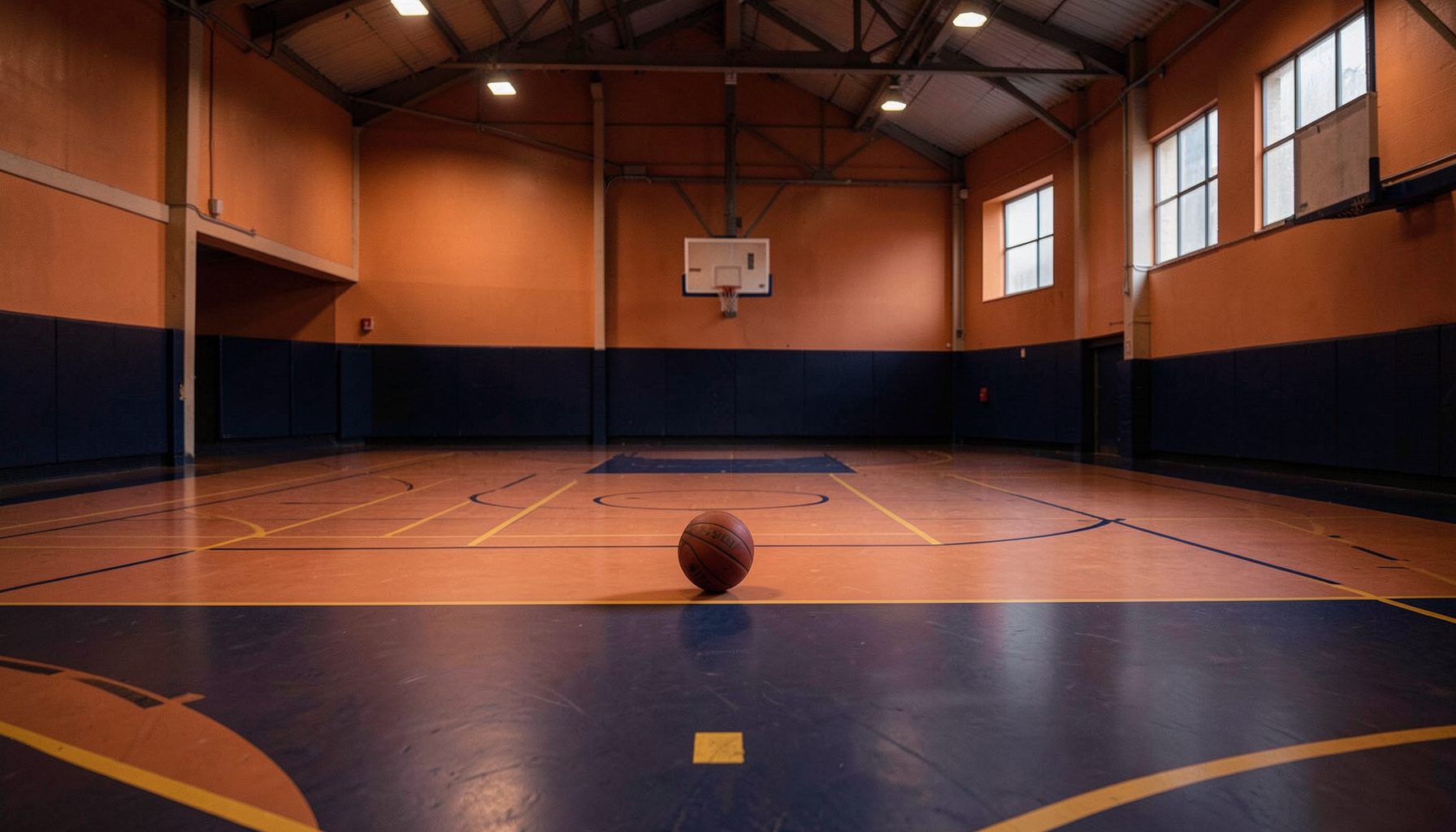
How to use NIL to promote a local fitness class or gym
A local gym or fitness studio can offer a college athlete something large brands often cannot: a genuine connection with the community. Your audience may already train nearby, recognize the coaches, or know the people who attend the same classes. That familiarity can make an NIL partnership feel useful rather than like a generic advertisement.
For the athlete, the opportunity goes beyond posting a promotional photo. A well-designed agreement can provide income, professional experience, content for a portfolio, and a stronger relationship with a local business. For the gym, your credibility and reach can help bring in new members, increase class attendance, or introduce a younger audience to its services.
The strongest partnerships are specific, measurable, and consistent with your identity. Before accepting free memberships or agreeing to promote a facility, determine what you will deliver, how your results will be tracked, and whether the arrangement follows your school, state, and athletic association requirements.
Choose a partnership that fits your audience
Start by identifying the kind of facility that naturally matches your content and routine. A strength-training gym may be appropriate for an athlete who regularly shares lifting sessions, while a yoga studio, boxing club, recovery center, or group fitness class may fit someone whose audience cares about mobility, conditioning, or wellness.
Your connection to the business should be believable. If you promote a class you have never attended, followers may notice the disconnect. Spend time learning how the gym operates, who it serves, and what makes it different from nearby alternatives. You may discover a stronger angle, such as early-morning sessions for busy students or beginner-friendly classes for people who feel intimidated by traditional gyms.
Consider the business’s reputation, safety standards, and staff qualifications before attaching your name to it. An NIL deal is a personal endorsement, so a poor customer experience can affect your credibility even when you did not create the problem.
Build an offer the gym can understand
A local business may have limited marketing experience, so avoid presenting a vague promise to “help with social media.” Explain the activity, timing, and expected outcome. Your package might include two short-form videos, several story frames, one in-person class appearance, and a discount code that remains active for 30 days.
Give the gym choices at different price points. A basic package could focus on organic content, while a larger package might include event attendance, a member workout, and permission for the business to reuse selected content. If the business is not ready to pay cash, you can negotiate a smaller arrangement involving membership access, personal training, apparel, or paid classes. Make sure you understand the fair value of what you receive.
A written NIL agreement should identify the deliverables, payment schedule, term, cancellation rules, content approval process, usage rights, and disclosure expectations. Clarify whether the gym can use your image in paid advertisements, on its website, or in printed materials. Those rights are more valuable than a single social post and should not be given away accidentally.
Turn training into useful content
Your content should show how the gym supports a real fitness goal instead of repeating a sales pitch. You might document a conditioning session, explain how a coach helped improve your movement, or demonstrate a warm-up that fits around a college athlete’s schedule. Keep the focus on the experience and the audience’s potential benefit.
Avoid making claims you cannot prove. Do not promise that a class will produce specific body changes, eliminate injuries, or deliver guaranteed athletic results. A safer approach is to describe what you experienced, identify who may enjoy the class, and encourage viewers to review the facility’s policies before participating.
Short videos, behind-the-scenes clips, and member-focused stories can work well for a neighborhood gym because they make the facility feel approachable. Include practical details such as parking, class length, booking instructions, equipment requirements, and whether beginners are welcome. Useful information gives followers a reason to save or share the post.
| Partnership format | What the athlete provides | What the gym gains | Best tracking method |
|---|---|---|---|
| Discount code | Short videos, stories, and a clear offer | New trial visits and measurable sales | Unique code or checkout field |
| Class appearance | Attend or lead a promotional session | Community attention and event attendance | Registrations and check-ins |
| Content package | Photos, reels, captions, and testimonials | Reusable marketing assets | Content delivery log |
| Membership partnership | Regular attendance and recurring posts | Long-term visibility and authentic exposure | Monthly redemption or referral report |
| Training collaboration | Documented workouts and coach features | Educational content and stronger brand trust | Views, saves, inquiries, and leads |
Make disclosures and school rules part of the plan
Every promotional post should make the relationship clear. Use plain language such as “paid partnership,” “sponsored by,” or “I receive a free membership from this gym.” Place the disclosure where people will see it without expanding a caption or searching through hashtags. If you receive compensation, free access, or products, the audience should understand that connection.
Review your school’s NIL policy before signing anything. Some programs require registration, prior approval, contract submission, or restrictions around institutional logos, facilities, uniforms, and team-related language. You may also need to avoid implying that the school endorses the gym. Rules can differ by institution, state, and sport, so do not rely on another athlete’s arrangement as your standard.
Keep records of agreements, invoices, payments, gifted services, and published content. A simple folder or spreadsheet can track the post date, deliverable, disclosure, code usage, and payment status. This organization protects you if the business disputes what was promised and makes it easier to evaluate whether the deal deserves renewal.
Track results beyond likes
Likes can show attention, but they do not tell the gym whether your partnership generated business. Use a unique referral code, booking link, QR code, or sign-up form. Ask the gym to record how many people mention your name at the front desk and whether those visitors purchase memberships, packages, or single classes.
Set a reporting period before the campaign begins. For example, review results after two weeks, at the end of the first month, and again after the promotion ends. Compare reach, video views, saves, direct messages, link clicks, code redemptions, trial visits, and revenue. A small audience can still produce a valuable campaign if several followers become paying customers.
Share a short performance summary with the owner. Explain which content performed best and include audience questions that reveal what potential customers want to know. If people repeatedly ask about beginner sessions, student pricing, or training times, those questions can shape the next promotion.
Protect your athlete schedule and personal brand
An NIL partnership should fit around practices, classes, competitions, recovery, and sleep. Agreeing to attend every weekly class or respond to customer messages throughout the day can create an obligation that becomes difficult during the season. Set realistic delivery dates and include blackout periods for exams, travel, or competition.
Your personal brand should remain recognizable in the partnership. A gym may want polished promotional material, but content that sounds unlike you can lose the trust that made your audience valuable. Discuss your preferred tone, filming style, and boundaries before production begins. You should also know whether the business expects exclusivity that prevents you from working with other fitness or wellness companies.
If you train with supplements, hydration products, or recovery tools during a gym campaign, be precise about what you actually use and why. Athletes managing demanding practices may find hydration tablets useful to research before making personal product claims, especially when an endorsement involves performance or recovery language. Never promote a product you have not tested or make medical claims without appropriate support.
Recommendations for a stronger local campaign
- Visit the gym before negotiating so you can evaluate the atmosphere, staff, equipment, and customer experience.
- Create a one-page proposal with your audience profile, content ideas, deliverables, rates, and tracking method.
- Use a unique discount code or booking link instead of relying on likes as the primary measure of success.
- Put payment terms, content rights, disclosure language, and cancellation conditions in writing.
- Review the agreement with your school’s NIL office, a parent or guardian, or a qualified professional when necessary.
A local fitness partnership can become more valuable when you treat it as a professional project rather than a casual favor. Prepare a simple media kit with your sport, school year, audience demographics, engagement examples, and previous brand work. You do not need a massive following; a concentrated audience of students, athletes, and local residents may be exactly what a neighborhood business wants.
Be selective about the businesses you represent. The Student Ca$hlete community is built around practical guidance for athletes balancing performance, academics, wellness, and opportunity, as explained by the Student Ca$hlete team. That same standard applies to local NIL deals: the partnership should support your long-term reputation, respect your schedule, and provide genuine value to the people watching your content.
Identify one nearby gym or class that aligns with your training and audience. Attend a session, document what makes it useful, and prepare a concise proposal with clear deliverables and measurable results. A thoughtful first campaign can create income now while building the communication, marketing, and negotiation skills that continue to benefit you after college sports.