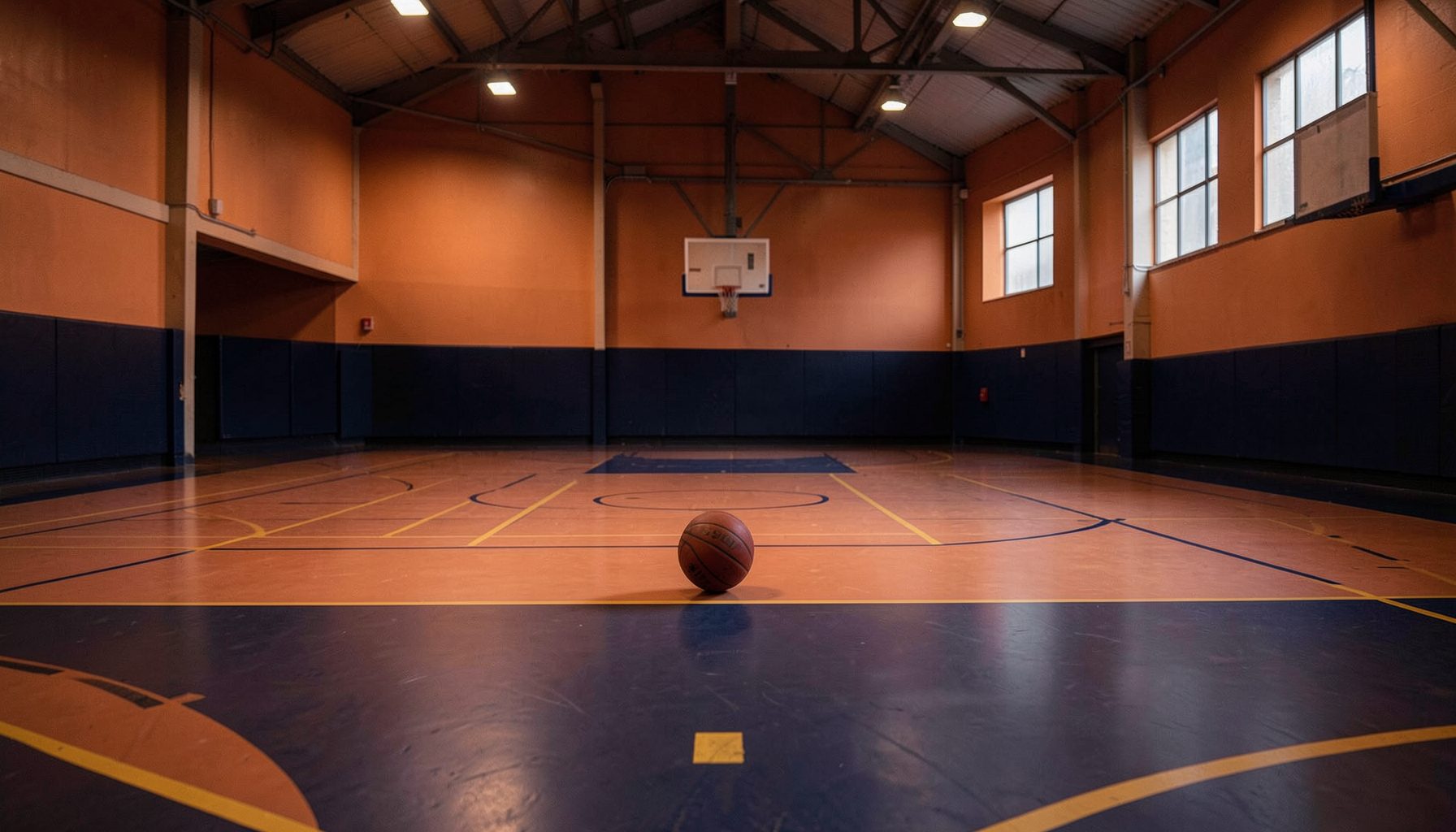
How to use NIL to partner with a local gym or training facility
NIL—name, image and likeness—is the commercial value attached to who an athlete is and what they represent. For student-athletes, a local training facility might want that value through social content, appearances or a longer ambassador arrangement. The opportunity is not simply free access to weights: a well-negotiated partnership can pay for your time, support your training and introduce your sport to people who may never follow a professional league.
Australia has no single national NIL scheme comparable to the NCAA’s, so most arrangements with local gyms work as sponsorship, endorsement and licensing agreements. If you are an international student in the United States, a U.S. NIL agreement does not automatically cover an Australian business; if you are studying in Australia, your university’s approval rules, visa work restrictions and personal tax position still matter. Check the rules that apply to you before copying an American athlete’s contract.
The best partnerships are locally credible. A small studio in Fitzroy, a no-frills gym in Sydney’s west or a coach-led strength space near a Brisbane university has different priorities from a national chain. It may value a familiar face, trial sessions and a steady stream of community stories more than a glossy campaign. Your side of the bargain is trust: show that the arrangement supports your sport, your study routine and the facility’s members without turning your personal brand into a billboard.
Find a facility that matches your training
Look for somewhere you genuinely use or would use, then check whether the owner wants creator content, event appearances, athlete coaching or member referrals. Visit during a busy session, ask how the business gets new members, and note what the trainers talk about. Independent Australian businesses often rely on word of mouth and community relationships, so a direct conversation with the manager can carry more weight than a polished media kit sent to a generic inbox.
Choose a facility whose training style matches the audience you already reach. If you compete in distance events, a running-specific gym may connect with your following more naturally than a boxing club, even if the latter looks more dramatic on camera. Bring evidence of reach: average views, engagement on training clips, email subscribers, campus speaking invitations and the number of people who respond to your recommendations. The athlete-marketing example at Kobe Isami illustrates why a clear story and a defined audience matter alongside numbers.
Write a proposal that sounds local
Keep the proposal to one page: who you are, the community you reach, two or three content ideas, the dates you can film and what the facility receives. An athlete-first perspective, including Student Ca$hlete’s background, helps you put useful training and honest promotion ahead of follower-count bragging. State whether your main audience is students, local runners, beginner gym members or another defined group; specificity makes the manager’s decision easier.
Use plain, friendly Australian English rather than inflated sponsorship language. A touch of “mate” or “no worries” can work, but forced slang will date quickly. Independent studios often prefer practical outcomes—trial-session bookings, open-house attendance and a member who feels more confident—to vague promises of “brand awareness”. Talk about making a first gym visit feel comfortable, showing a proper warm-up or helping members prepare for a local race, then ask what the gym can actually track.
Agree on value, rights and money
Decide whether the arrangement is a fixed-fee campaign, a membership-and-ambassador package, a referral commission, a revenue share or a combination. Price the work: filming, editing, travel, admin time, appearances and the right to use your image are not the same deliverable. A smaller gym may have a limited marketing budget but a strong roster of trainers who can genuinely encourage members. A credible offer can convert that reach into visits, and you should receive credit for referrals without accepting responsibility for every lead.
Put the essentials in writing: payment amount and schedule, deliverables, deadlines, approved claims, content approval, equipment, cancellation, confidentiality, exclusivity and the exact period and channels for using your name, photo and likeness. A one-off appearance should not grant unlimited advertising rights. Ask about GST invoicing and whether an ABN is appropriate for your circumstances; international students must also check visa work conditions. Tell any agent or manager involved, and get independent legal advice before signing an exclusive or long-running agreement.
Create content that earns trust
Show the routine rather than pretending the gym transformed your career. A calm walk-through of a session, a short warm-up demonstration or a question-and-answer with a trainer gives members useful reasons to engage. When filming a long run, reliable blister-preventing athletic socks help protect the experience you are documenting. Use your normal training voice, keep sponsor claims accurate and disclose sponsored sessions and gifted kit clearly with labels such as “#ad” and “#gifted” where appropriate.
Invite the community in a way that feels local: a free introductory lifting session, a five-kilometre meet-and-warm-up or a post-training coffee with a club. Check liability, coach qualifications and crowd numbers, and get consent before featuring members or minors. Avoid inventing results for supplements, recovery products or medical services, and treat sports-betting promotions carefully because university policies and Australian advertising rules can be strict. Credibility survives scrutiny better than a noisy sales pitch.
Keep study demands and sponsor duties separate
Your time is the main asset you are licensing. Map lecture days, travel, competition and recovery around proposed filming sessions, and keep a written plan for what happens if an exam timetable changes. Avoid promising weekly content that will compete with study. The partnership should not affect sporting eligibility, course attendance or confidential team arrangements. Check your university or college’s policy on commercial activity, and do not use a university crest, team uniform or a coach’s likeness without permission.
A membership benefit and a promotional obligation are different things. Free access, discounts or a training allowance may be recorded as a benefit or taxable payment, while a contracted appearance fee covers your labour and image rights. Read membership contracts as well as sponsorship terms: Australian gyms may use direct-debit contracts, minimum terms or cancellation fees. Clarify who owns the equipment used in content, how either side can end the arrangement and which approval rights apply after the campaign ends.
| Partnership structure | What you provide | What the facility provides | Best fit | Key safeguard |
|---|---|---|---|---|
| Fixed-fee content | A set number of posts, reels or short videos | A fee, agreed usage rights and a paid media budget | Studios testing creator-led promotion | Define media use, territory and campaign duration |
| Membership plus ambassador role | Training access, occasional visits and community appearances | Membership, equipment allowance and occasional paid appearances | Coach-led facilities with a loyal member base | Separate benefits from commercial deliverables |
| New-member commission | A trackable introduction or referral code | Commission on qualifying memberships | Gyms rewarding personal referrals | Set attribution window, refunds and GST treatment |
| Event partnership | One appearance, warm-up session or clinic | Venue, promotion and participant pack | Local clubs hosting an open day | Agree attendance, weather and cancellation terms |
Review the results and build a relationship
Give the arrangement six to eight weeks before judging it, then review useful measures: qualified trial bookings, member sign-ups from trackable links, email enquiries, saves, shares, repeat views and event attendance. Ask the manager for feedback that numbers miss, such as whether members mentioned the collaboration or felt comfortable asking about membership. Renew only when both sides have delivered; adjust deliverables if study weeks, travel or sporting seasons have changed. For a personalised look at your offer, contact Student Ca$hlete and bring your audience figures and proposed terms.
Keep the relationship friendly, not transactional. Say thanks to staff, share the event outcomes, and consider a second activation that serves members rather than simply repeating the same post. Independent gyms in Australia often operate on reputation, so one credible partnership can lead to a community series, a student-athlete workshop or a local club collaboration without requiring you to become a full-time influencer. The strongest result is a repeatable arrangement that respects your degree, your training and the people who show up at the facility.