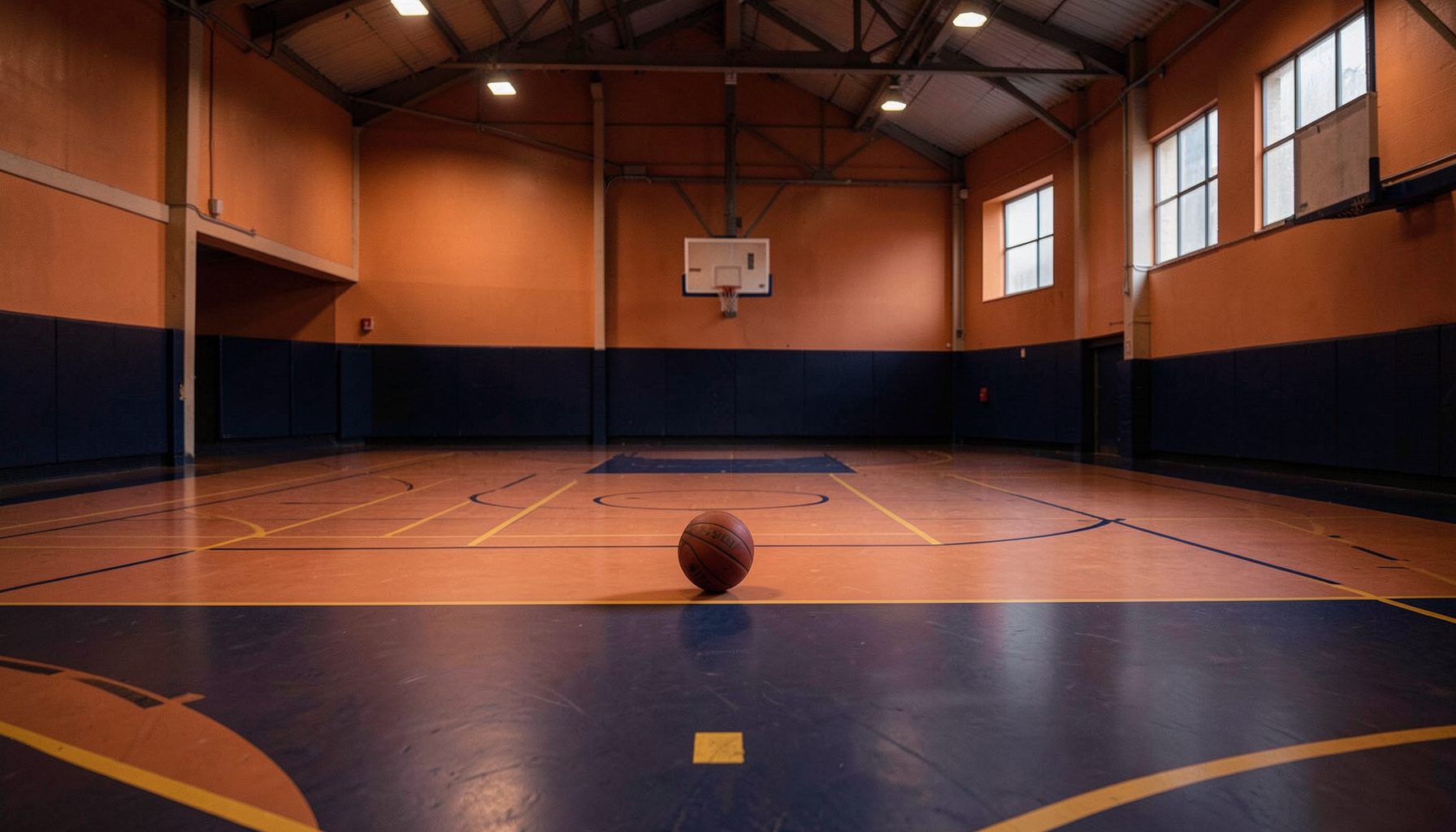
Turn NIL into a free skills clinic for local kids
A free skills clinic can turn your name, image and likeness into a practical community project rather than a simple sponsored post. By teaching young players, involving local families and giving a business meaningful visibility, you create value for everyone involved while building experience that extends beyond sport.
For Australian student-athletes, the idea needs a local approach. Australia does not operate under the same NCAA NIL framework used in the United States, so sponsorships, appearances and promotional arrangements may be shaped by your university, sporting organisation, contract terms and Australian tax obligations. A well-planned clinic can still be a strong athlete-brand partnership when those details are handled carefully.
Start with a clear community purpose
Decide what the session should achieve before approaching a sponsor. You might offer beginner basketball shooting drills in Melbourne, rugby skills in Brisbane, swimming fundamentals in Perth or football development in regional New South Wales. A specific purpose makes the event easier to explain and helps parents understand what their children will gain.
Keep the clinic genuinely free for families. A local sporting goods shop, physiotherapy practice, supermarket, bank or sportswear brand could cover venue hire, equipment, first-aid supplies, water and promotional costs. In return, the business receives agreed exposure through event signage, social content, photographs and a short thank-you mention. Browse Student Ca$hlete posts for related ideas about athlete branding, time management and NIL activity.
Choose an age range and ability level that match your coaching experience. A 60- to 90-minute session for children aged eight to twelve is often easier to manage than a full-day camp. Limit registrations so every participant receives useful feedback rather than spending most of the session waiting in line.
Build a sponsor package that feels worthwhile
A sponsor is more likely to support the clinic when the proposal connects its marketing goals with a visible community benefit. Present the event as a local activation, not a request for free money. Include the date, venue, expected attendance, audience profile, planned activities, budget and the exact recognition the sponsor will receive.
A simple package could include the business logo on registration pages, a banner at the venue, branded hydration stations and three social posts before and after the clinic. You could also film a short skills tip featuring the sponsor’s product, provided the content remains useful and does not pressure children to buy anything.
Use Australian dollars and separate cash support from donated goods. A retailer might provide cones and balls, while a café supplies fruit and a local sports store funds venue hire. Confirm whether the arrangement creates reporting, invoicing, tax or university disclosure requirements. Before signing, read the NIL contract guide and obtain professional advice when the deal is complex.
Check the rules before inviting children
Working with children brings responsibilities that should be settled before promotion begins. Requirements differ across Australia: Victoria uses a Working with Children Check, Queensland uses a Blue Card, and other states and territories have their own systems. Check which screening rules apply to the venue, coaches, volunteers and any sponsor representatives attending the day.
Your university or sporting body may also have rules about logos, commercial appearances, fundraising, uniforms and use of facilities. If you are an international student-athlete or receive a scholarship, additional conditions may apply. Keep written approval from the relevant administrator and disclose the commercial relationship wherever required.
Create a child-safety plan covering supervision, toilets, changing areas, photography, medical needs, collection procedures and complaints. Require parent or guardian consent, emergency contacts and a clear statement about who may collect each child. A free event still needs public liability insurance and a first-aid plan, especially when drills involve contact, sprinting or water.
Plan an inclusive and safe session
Design the clinic around participation rather than performance. Begin with a welcome, name game and movement warm-up, then rotate through small stations such as footwork, passing, balance, shooting or decision-making. Finish with a friendly challenge in which every child has a meaningful role. Avoid elimination games that leave beginners standing on the sideline.
Make the session accessible for different abilities, confidence levels and cultural backgrounds. Explain drills in more than one way, offer lower-impact alternatives and use equipment that suits smaller children. In Australia, outdoor sessions need shade, sunscreen reminders, refillable water access and a heat plan. Reschedule when extreme heat, smoke or storms make the venue unsafe.
For a swimming or coastal activity, use qualified instructors and follow venue rules rather than treating athletic experience as a substitute for formal water-safety training. Resources such as water safety guidance can support conversations about supervision and risk, but the facility’s lifeguards and governing policies should remain the authority.
Promote the event without exploiting children
Your promotion should highlight the clinic, the community and the sponsor’s contribution while protecting young participants. Use a registration page that explains whether photos or video will be taken, where content may appear and how parents can decline consent. Do not publish children’s full names, school details or live location information.
A practical campaign might include one announcement four weeks ahead, a reminder two weeks later, a short athlete video and a final registration notice. Ask the sponsor to share approved assets through its own channels. Use local language and familiar references: families in Sydney may respond to a council sports-centre partnership, while a club in Adelaide may prefer promotion through junior associations and weekend fixtures.
Keep sponsor messaging appropriate for children. Avoid exaggerated claims about supplements, body image, expensive equipment or guaranteed athletic success. If a product is supplied, explain that it is optional. The strongest brand impression often comes from reliable organisation, welcoming coaching and a well-run community day.
Measure value beyond attendance
Track registrations, attendance, completion rate and participant feedback. Also record the number of social views, sponsor mentions, email sign-ups and samples distributed. These figures help you show the business that the clinic created measurable local exposure without charging families an entry fee.
Collect feedback from parents and participants using a short form. Ask whether the activities were enjoyable, whether instructions were clear and whether the timing and venue worked. Give the sponsor a concise report with photographs that have appropriate consent, selected testimonials and a summary of what could be repeated.
Community value matters as much as marketing data. Note whether the event introduced children to a sport, connected families with a local club or provided equipment to participants who might otherwise miss out. A resource such as this community event reference may help when thinking about broader participation and community-development principles, while your own venue and sporting bodies should guide operational decisions.
Turn one clinic into a sustainable project
After the event, thank volunteers, venue staff, families and the sponsor promptly. Send participants a short recap with safe practice tips and links to local junior clubs, rather than using the contact list for unrelated marketing. Ask the sponsor whether it wants to support another clinic, equipment scholarship or transport assistance.
Review your workload honestly. A clinic requires planning, communications, coaching, consent management and follow-up, so it should fit around classes, training and recovery. A smaller monthly session may be more sustainable than a large annual event. Keep a folder containing your budget, approvals, risk assessment, schedule, sponsor deliverables and feedback.
Over time, the clinic can become a credible part of your NIL portfolio. It demonstrates coaching ability, community leadership and professional communication while giving a local business an authentic way to support young athletes. When the commercial arrangement stays transparent and the children’s experience remains the priority, your athletic identity can create opportunity with a lasting local benefit.