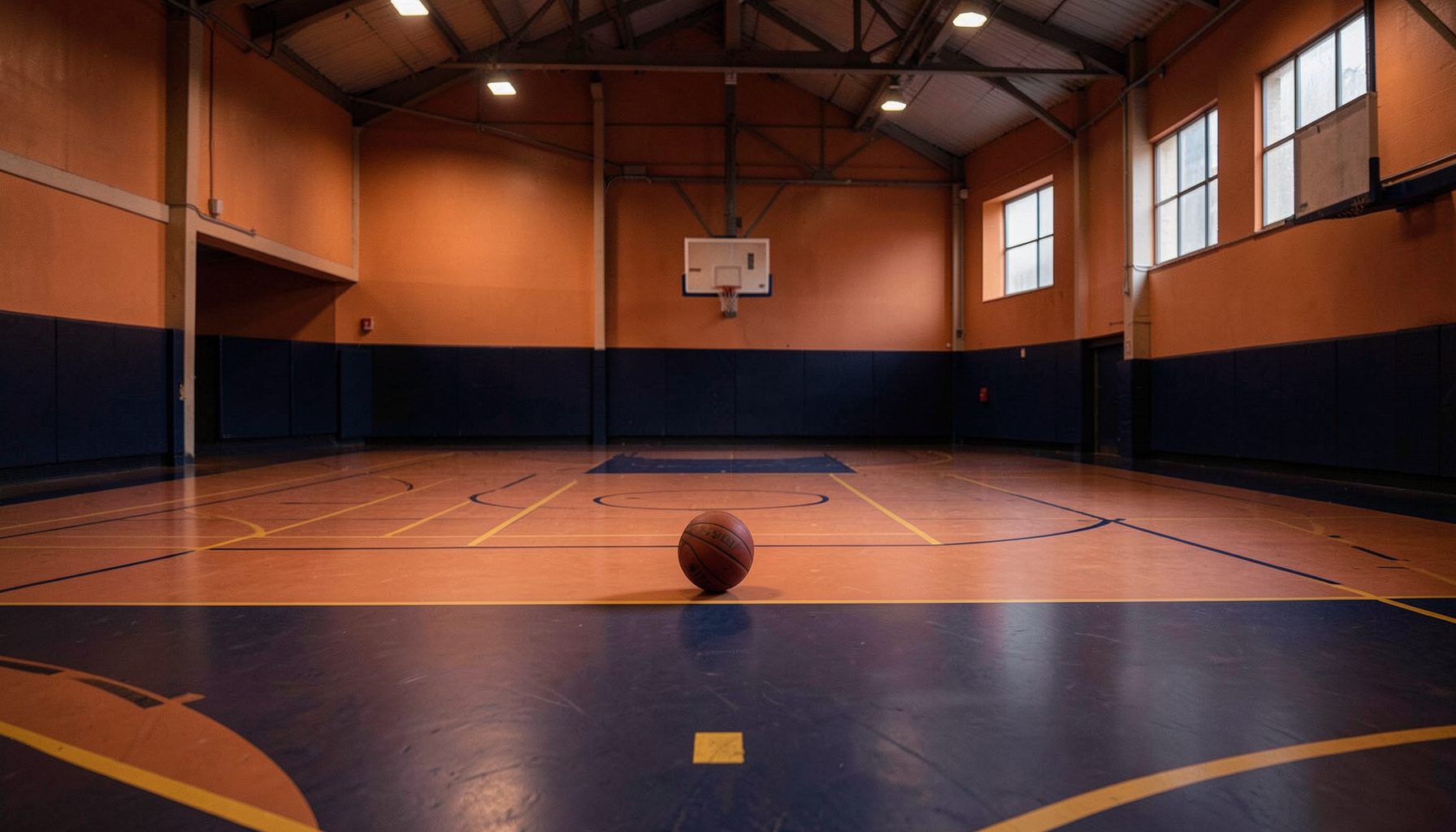
Finding your identity after college sport
For many college athletes, sport has shaped nearly every part of daily life. Training times determine your schedule, teammates become your closest friends, and performance gives structure to goals, friendships, travel and even the way you describe yourself. When the final season ends, the sudden quiet can feel less like freedom and more like losing a language you have spoken for years.
This transition can be especially complex for athletes from Australia who have studied or competed overseas. Returning to Sydney, Melbourne, Brisbane or a regional hometown may bring familiar places but unfamiliar routines. You may no longer have access to a team physio, strength staff, athletic department or packed competition calendar, and your old sporting identity may not fit neatly into work or university life.
The answer is not to abandon your athletic background. Your discipline, resilience, communication skills and ability to work towards long-term goals remain valuable. The task is to separate the person you are from the role you performed, then carry the strongest parts of that role into a broader life.
A healthy post-sport identity develops gradually. It may include a new career, social circle, recreational training, creative interests, community involvement or further study. You do not need to replace competition with an equally intense pursuit immediately; you need room to discover what matters when results no longer define the week.
Recognise what sport gave you
Start by identifying the different benefits hidden inside your athletic routine. Sport may have given you confidence, belonging, structure, physical energy, leadership experience and a clear way to measure progress. These are separate needs, even if they were all met through the same team.
Write down what you miss most about competition. Missing the locker room may point to a need for community. Missing early training may reflect a preference for routine. Missing game-day pressure may indicate that you enjoy challenge and accountability. This exercise prevents you from treating every feeling as proof that you need to return to the exact sport or level you left.
It also helps to acknowledge what sport demanded from you. A college athlete may have tolerated constant evaluation, injuries, travel and little privacy because the rewards felt worthwhile. Life after sport can involve grief, anger or relief alongside pride. Those emotions are normal responses to a major change, not evidence that your athletic career was a mistake.
Build a daily rhythm that supports you
College sport often provides an automatic timetable. Once it disappears, sleep, meals, exercise and study can become inconsistent. Creating a basic weekly rhythm helps your nervous system adjust without turning your entire life into another training programme.
Set regular times for waking, eating, movement, work and social contact. The routine should be realistic for your current commitments, whether you are starting a graduate role in Melbourne, looking for work in Perth or completing a postgraduate course in Canberra. Include unstructured time as well; recovery is still important when no coach is assigning it.
Training can remain part of your life without becoming a test of worth. Try running, swimming, Pilates, hiking or social basketball at a level that suits your body now. In Australia, local recreation centres, parkrun events and community clubs can provide accessible ways to stay active without recreating the pressure of varsity competition.
Expand your identity beyond performance
An athlete identity is often built around visible outcomes: selection, statistics, medals, rankings and playing time. After college, many valuable qualities become less obvious. Patience, judgement, empathy and adaptability may matter more than speed or strength, but they are harder to measure.
Make a list of roles you already hold outside sport. You might be a sibling, employee, friend, mentor, creative, volunteer, learner or community member. Then choose one role to develop deliberately. Volunteering with a junior club, helping at a school clinic or supporting new international students can reconnect you with sport while giving you a different position within it.
Career exploration can also widen your sense of self. Former athletes often bring useful skills to sales, education, health, media, event management and leadership roles, but they do not have to work in sport. Read job descriptions for patterns in your experience, such as organising travel, managing competing deadlines, speaking to groups or responding calmly under pressure.
Keep connection without staying stuck
Losing daily access to teammates can create a sudden social gap. Group chats may become quieter, and friends can move to different cities or enter demanding careers. Make deliberate plans rather than waiting for the old level of contact to return naturally.
A support network outside your former team is particularly important because it gives you space to be known as a whole person. This support system guide offers practical ideas for developing relationships beyond sport, including connections that can support mental health during major changes.
Look for people at different stages of life. A former teammate may understand the emotional adjustment, while a colleague can introduce you to a new professional world. Family members, counsellors, mentors and recreational teammates can each meet different needs. For Australian students, university wellbeing services and organisations such as Headspace may also provide useful support, particularly when homesickness or career uncertainty is involved.
Handle the loss of competition carefully
Competition often creates a dependable source of adrenaline, feedback and achievement. Without it, ordinary goals may feel flat. That does not mean you have lost ambition; your brain is adjusting to a less intense reward cycle.
Create challenges with clear but flexible measures. You could train for a community fun run, improve a lifting technique, learn conversational Japanese, complete a professional certificate or save for a move. The goal is to build momentum rather than manufacture the same pressure that made sport exhausting.
Give yourself permission to participate recreationally. Playing social netball in Adelaide or joining a touch football team in Brisbane does not need to lead to selection, sponsorship or elite performance. Enjoyment can be a valid outcome. If an injury ended your career, choose activities with guidance from a qualified health professional and recognise that adapting movement is part of athletic intelligence.
Rework your relationship with money and visibility
College athletes sometimes leave sport with habits shaped by scholarships, team travel, equipment budgets or performance-based opportunities. In Australia, the financial structure may differ depending on whether you competed through a university programme, a professional pathway or an overseas scholarship. A new budget can reduce uncertainty when income and benefits change.
List current essentials, discretionary spending, debt, savings and likely costs such as rent, transport and health care. If you earned income through brand partnerships or NIL-related work while studying in the United States, keep records of agreements and understand your tax obligations before treating that income as permanent. Local costs vary significantly between Sydney and regional areas, and moving home can alter both expenses and expectations.
Your public identity may need updating too. A social media profile built around game footage, results and team affiliations can feel uncomfortable after retirement. You do not need to erase that history. Add evidence of current interests, work, study and community involvement so that employers and new contacts see a developing person rather than only a former athlete.
Use your athletic story without being trapped by it
Your sporting experience is part of your story, but it does not have to be the headline in every setting. Learn to describe it in language that fits the situation. Instead of saying only that you were a captain, explain that you coordinated people, handled conflict and maintained standards during demanding periods.
Prepare a short version of your transition story for interviews and networking. It might explain that competitive sport taught you to manage time, accept feedback and work towards shared goals, while your current focus is building expertise in a new field. This shows continuity without implying that your best years are behind you.
Keep learning about life after college sport through credible athlete experiences, practical wellbeing advice and career perspectives. Student Ca$hlete’s latest athlete insights can provide relevant ideas on mental health, training, work and the broader decisions that surround an athletic lifestyle.
Let the next chapter develop gradually
There is pressure to make a clean, impressive transition: secure a job, maintain peak fitness, launch a business and appear grateful for every opportunity. Real adjustment is usually less tidy. You may feel confident for a week, then miss competition after an ordinary conversation or a familiar season begins.
Set short-term priorities rather than demanding a permanent answer about who you are. For the next month, focus on sleep, finances, meaningful contact and one area of exploration. Review what is working, then adjust. Identity becomes clearer through repeated experience, not through a single decision made on the final day of competition.
The end of college sport closes a specific role, not your capacity for ambition, connection or achievement. You can honour the team, retain the habits that serve you and release the expectations that no longer fit. With time, being an athlete becomes one meaningful part of your history rather than the boundary of your future.