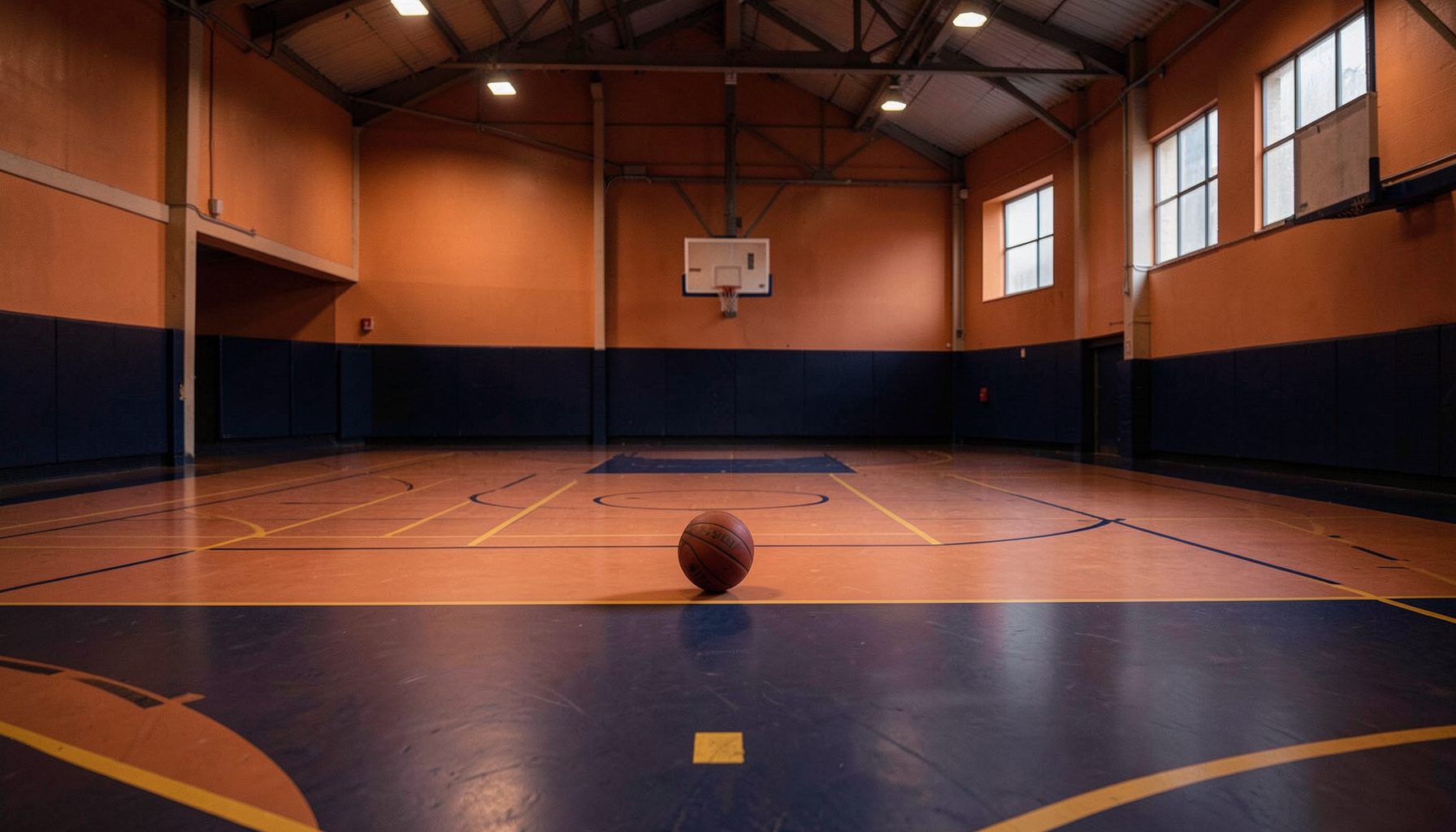
How to transition into a new position mid-season
A mid-season position change can feel like being handed a new playbook while the competition is already underway. You may know the sport well, understand your team’s system and have strong fitness, yet still feel a step behind when your responsibilities change. The key is to treat the move as a focused learning process rather than evidence that your previous role was a failure.
Coaches usually make this adjustment because the team needs a different combination of skills. An injury, tactical shift, a teammate’s return or your own development can open the door to a new role. In Australian sport, that might mean moving from wing to fullback in footy, from centre to wing defence in netball, or from guard to forward in basketball. Each switch demands a fresh understanding of space, timing and communication.
The transition is easier when you separate what is genuinely unfamiliar from what can transfer. Your conditioning, decision-making, competitiveness, ball skills and knowledge of team standards still matter. Even when the position feels completely different, those foundations give you a head start.
Student Ca$hlete offers broader guidance for college athletes managing performance, academics, wellbeing and opportunities away from competition. That wider perspective matters because a role change affects training load, confidence, study routines and sometimes your pathway to future selection.
Clarify what the new role demands
Start with a direct conversation with your coach. Ask what success in the position looks like, which responsibilities are non-negotiable and what mistakes create the biggest problems for the team. Avoid a vague request such as “How am I going?” Instead, seek specific information: Where should you be when the ball is on the opposite side? Who is your first defensive assignment? When should you attack space, hold position or make a supporting run?
Write the answers down after training. A short role card can include your starting position, first option, defensive cue, communication calls and transition responsibility. For a basketball player shifting from point guard to wing, the card may cover spacing on offence, close-out technique and when to cut behind a defender. For a footballer moving into the backline, it may include cover angles, marking priorities and how to organise the line.
Watch a reliable player in the same position and study more than their highlight moments. Notice where they stand before the play develops, how early they communicate and what they do when the first option disappears. If match footage is available, review several ordinary possessions rather than only spectacular ones. Position-specific habits are often built through quiet decisions that never appear on a highlight reel.
Build a short, targeted training plan
A new position can create an overwhelming list of weaknesses. Narrow your focus to two or three skills that will improve your contribution fastest. These might be receiving under pressure, defending one-on-one, timing a lead, rebounding from a different area or making the first pass after a turnover. A small set of priorities gives each training session a clear purpose.
Ask your coach or position specialist to create realistic repetitions. Practise the situations you are most likely to face in a match, including the decision that follows the initial action. A defender should work on what happens after the first contest, while a midfielder needs to rehearse the next movement after receiving possession. Drills become more valuable when they include scanning, communication and pressure rather than isolated technique.
Use match review to measure progress without judging every error. Track useful indicators such as successful defensive stops, correct positioning, effective talk, completed first actions or how often you arrive in support. Coaches may value these details before they show up on a scoreboard. A simple weekly record can reveal improvement when confidence still feels uneven.
Transfer your strengths instead of starting over
The most effective mid-season adjustments connect the new role to skills you already own. A former attacking player may bring excellent movement and anticipation to defence. A point guard may read passing lanes well as a wing. A netball centre moving into wing attack can use their work rate and vision, even while learning different spacing patterns.
Tell yourself which strengths remain available before each session. This is practical preparation, not empty positivity. If you are a strong communicator, make that a visible part of your new role. If you read play early, use that skill to arrive before the contest. If you are calm under pressure, become the teammate who makes the simple decision when the structure breaks down.
At the same time, avoid forcing old habits into a position where they no longer fit. A player accustomed to constant ball involvement may need to accept longer periods away from possession. Someone who has always attacked may need to delay a run to protect team shape. Adaptability means preserving your best qualities while changing the timing and purpose behind them.
Manage confidence, workload and outside pressure
Confidence often dips because familiar actions become uncertain. You may hesitate before making a decision, replay mistakes during the next passage or compare yourself with athletes who have played the position for years. Replace broad self-criticism with a reset routine: identify the cue, make the next correct action and communicate early.
Your physical preparation may need to change as well. A new role can increase sprinting, contact, jumping, tackling or repeated changes of direction. Keep track of soreness, sleep and perceived effort, particularly when classes, travel and competition are already demanding. Australian athletes balancing university sport with work or long commutes may need to plan recovery as carefully as the session itself. A late-night drive home after training in Melbourne or Brisbane can affect the next day’s study and performance more than expected.
Speak up early if the new workload produces persistent pain, unusual fatigue or declining concentration. A position change should not become an excuse to ignore medical advice or train through an injury. Coordinate with your athletic trainer, physiotherapist and coach so the adjustment is challenging without becoming reckless.
Your online presence and commercial commitments may need attention too. A new position can alter how teammates, clubs and potential partners see your playing identity. For athletes dealing with sponsorships or NIL arrangements in the United States, review whether deliverables, appearance dates or performance language still make sense. Negotiating an NIL contract requires attention to obligations beyond the playing surface, especially when your role and schedule change during a season.
Communicate your value during matches
Coaches need evidence that you can be trusted in the new position. Make the basic actions highly visible: arrive in the correct space, talk before the play, transition immediately and respond well after an error. Reliable effort helps a coach see your progress even when your statistics are modest.
Use concise language with teammates. Learn the calls used by the players around you and repeat important information early enough for them to act. In Australian team environments, clear phrases such as “hold,” “switch,” “inside,” “time” or “cover” can be more useful than long explanations during a fast passage. Check that your communication matches the team’s established terminology rather than inventing your own.
After matches, request one strength and one priority for the next week. This keeps feedback manageable and shows that you are actively taking ownership of the transition. If the coach says your positioning was sound but your first pass was rushed, build the next session around that exact detail. Progress becomes easier to demonstrate when the feedback loop is specific.
The equipment supporting your new responsibilities deserves a quick review. A change from perimeter basketball to interior play may affect cushioning, traction and ankle support, while a football or netball role with more repeated acceleration can expose weaknesses in footwear comfort. Compare practical options through resources such as cross-training shoe picks, then test any new gear in training before relying on it in competition.
A mid-season move does not require you to become a different athlete overnight. Learn the role’s priorities, practise the situations that matter, carry your transferable strengths forward and communicate consistently. With a clear plan, the unfamiliar position can become evidence of your versatility rather than a temporary setback.