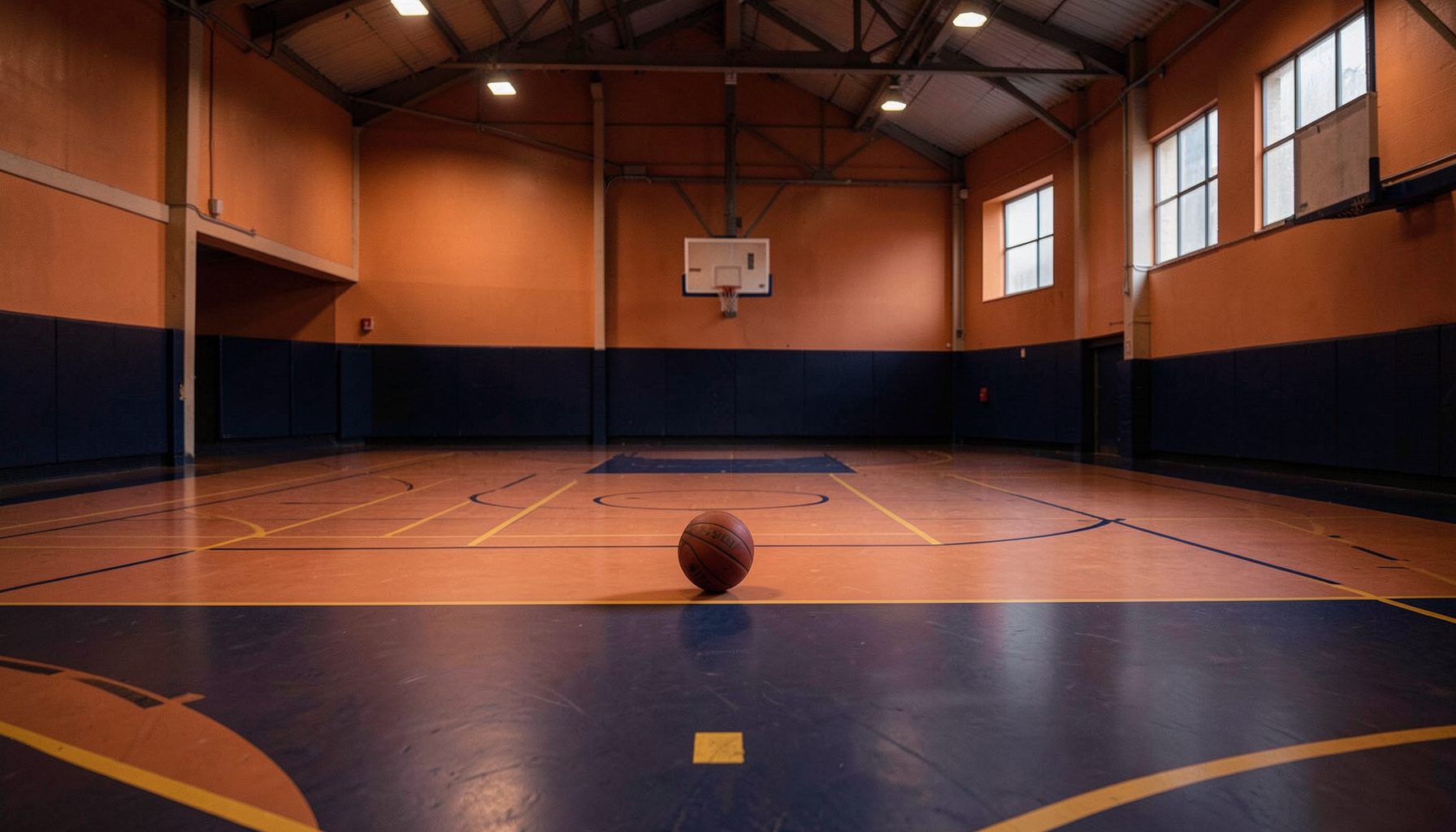
How to Stay Motivated for Off-Season Training Without a Coach Watching
The off-season can reveal how much of an athlete’s progress depends on external structure. When practices, travel, teammates, and daily coaching disappear, training becomes a personal decision instead of a scheduled obligation. That freedom can feel refreshing at first, but it can also make missed lifts, skipped conditioning, and inconsistent recovery easier to justify.
Motivation is useful, yet it is rarely steady for an entire off-season. A stronger approach is to build routines that continue working when excitement fades. Clear goals, realistic scheduling, measurable progress, and a reason to train can create accountability even when nobody is standing nearby.
For student-athletes, this period also has to include academics, work, relationships, and mental recovery. Guidance on athlete development can help connect training decisions with the broader demands of college sports, so physical preparation does not come at the expense of health or school performance.
Define What You Are Training For
A vague goal such as “get better” may sound motivating, but it does not tell you what to do on a difficult Tuesday. Choose one to three off-season priorities that match your position, sport, and current needs. These might include increasing lower-body strength, improving acceleration, building aerobic capacity, returning from an injury, or becoming more consistent with mobility work.
Make each priority specific enough to measure. Instead of aiming to become faster, set a target related to a timed sprint, change-of-direction drill, or repeat-effort session. Instead of promising to get stronger, identify a lift, movement quality standard, or training volume that can be tracked safely.
Your goals should also reflect the next competitive season rather than short-term appearance. A dramatic early push may produce quick numbers but leave you fatigued or injured. Sustainable progress gives you a better chance of arriving at preseason prepared instead of trying to repair an exhausted body.
Build A Schedule That Does Not Depend On Willpower
Training at the same general time on selected days reduces daily negotiation. Put workouts into your calendar alongside classes, study blocks, meals, and sleep. Treat those appointments as important commitments, while leaving enough flexibility to adjust when exams, travel, or unexpected responsibilities appear.
A useful weekly plan includes hard sessions, lower-intensity work, and full recovery. For example, a strength-focused athlete might schedule three lifting days, two conditioning or skill sessions, one mobility-focused day, and one complete rest day. The exact structure should follow sport demands and qualified guidance, but the principle is consistent: recovery belongs on the calendar.
Prepare for the moments when your plan breaks. Keep a shorter version of the workout available for busy days, such as a 20-minute mobility sequence, a reduced lifting session, or a brisk walk followed by recovery work. A modified session protects the habit without pretending that every day has the same time and energy available.
Create Accountability Beyond The Coaching Staff
Without a coach watching, use other forms of visibility. A training log can record exercises, sets, effort, sleep, soreness, and mood. Reviewing those notes once each week helps you notice patterns that motivation alone cannot reveal, such as poor performance after consecutive late nights or better workouts after eating consistently.
A teammate, training partner, or trusted mentor can provide useful external structure. You might share your weekly plan, meet for selected sessions, or send a brief check-in after completing your work. The purpose is not to create pressure or competition; it is to make your commitment visible to someone who understands the demands of being an athlete.
Technology can support this process when used simply. A calendar reminder, habit tracker, stopwatch, or shared spreadsheet may be enough. Avoid building a complicated system that becomes another task to manage. The best accountability tool is one you will still use during a demanding academic week.
| Training Need | Practical Accountability Method | Progress Signal |
|---|---|---|
| Strength development | Log working sets and review weekly totals | Improved form, load, or controlled repetitions |
| Speed and agility | Use consistent timing and drill conditions | Faster times with stable technique |
| Conditioning | Schedule sessions with a partner or team | Better recovery between efforts |
| Mobility and injury prevention | Track short daily routines | Greater range of motion and less stiffness |
| Mental recovery | Record sleep, stress, and energy | More consistent readiness for training |
Make Progress Visible And Meaningful
Motivation improves when effort produces evidence. Track measurements that matter to your sport, but do not rely exclusively on scale weight or personal records. Quality of movement, sprint mechanics, jump consistency, work capacity, recovery time, and confidence in sport-specific skills can all show progress.
Take occasional videos under similar conditions to evaluate technique. A controlled comparison every few weeks is more useful than filming every session and judging yourself constantly. You can also keep a short weekly note describing what felt stronger, what needs attention, and what you learned from the week.
Celebrate process wins as well as performance gains. Completing three planned workouts during a stressful week, getting to bed on time, or stopping a session before pain worsens may be meaningful achievements. These choices build the behaviors that support long-term athletic development.
Use setbacks as information rather than proof that you lack discipline. A missed workout may indicate an unrealistic schedule, insufficient recovery, or a need to change the training environment. Adjust the plan and resume at the next available opportunity instead of trying to compensate with an unsafe double session.
Protect Energy, Recovery, And Mental Health
Off-season training should support your life, not consume every available hour. College athletes often face financial stress, academic deadlines, social pressure, and uncertainty about playing time or NIL opportunities. When those concerns accumulate, low motivation may be a signal of mental fatigue rather than laziness.
Sleep is one of the most practical performance tools available. A consistent sleep window supports reaction time, learning, mood, and tissue recovery. Nutrition matters as well, especially when training volume rises. Regular meals, sufficient carbohydrates for demanding sessions, protein throughout the day, and adequate hydration can make workouts feel more manageable.
Build low-stimulation time into the week. Walking, stretching, hobbies, time with friends, and activities unrelated to sport help prevent your identity from narrowing around performance. A complete rest day is not a lost opportunity; it can preserve the physical and psychological capacity needed for the next training block.
Pay attention to warning signs such as persistent exhaustion, irritability, declining performance, disrupted sleep, recurring pain, or dread that does not improve with rest. Speak with a sports medicine professional, athletic trainer, counselor, or another qualified support person when these symptoms continue. Training through every warning signal is not evidence of commitment.
Use Simple Strategies When Motivation Drops
Motivation will fluctuate, so create a short list of actions that make starting easier. Put your training clothes out the night before, prepare a snack, keep equipment organized, and decide the first exercise before arriving. Removing small points of friction can turn an intimidating workout into a familiar routine.
Use the five-minute rule when you feel resistant. Commit to warming up for five minutes and then reassess your energy. You may continue with the planned session, complete a reduced version, or choose recovery if your body clearly needs it. The rule helps separate ordinary reluctance from genuine fatigue or pain.
Change the environment when repetition becomes stale. Train with a teammate, move outdoors, select a new but appropriate drill variation, or listen to music that helps you focus. Variety should refresh the process without replacing a coherent program. Random workouts may feel exciting while failing to address the qualities your sport requires.
Review reliable athlete resources when you need fresh perspective on training, college sports, and performance habits. The latest athlete stories can offer practical ideas while reminding you that successful competitors also navigate inconsistent energy, busy schedules, and periods of doubt.
Recommendations For A More Consistent Off-Season
- Choose two or three measurable priorities and write down why each one matters for your next season.
- Schedule workouts, recovery, meals, and sleep before the week becomes crowded.
- Share your plan with a teammate or mentor and arrange one predictable weekly check-in.
- Track performance, energy, soreness, and sleep so you can adjust before fatigue becomes a problem.
- Keep a shorter backup workout for busy days, while treating pain and severe exhaustion as reasons to seek support.
A coach’s presence can improve focus, but it is not the only source of discipline. When your goals are clear, your schedule is realistic, and your progress is visible, you can create a training system that remains dependable in private. Start with the next seven days: choose your priorities, place the sessions on your calendar, and complete the first one with attention rather than waiting to feel perfectly motivated.