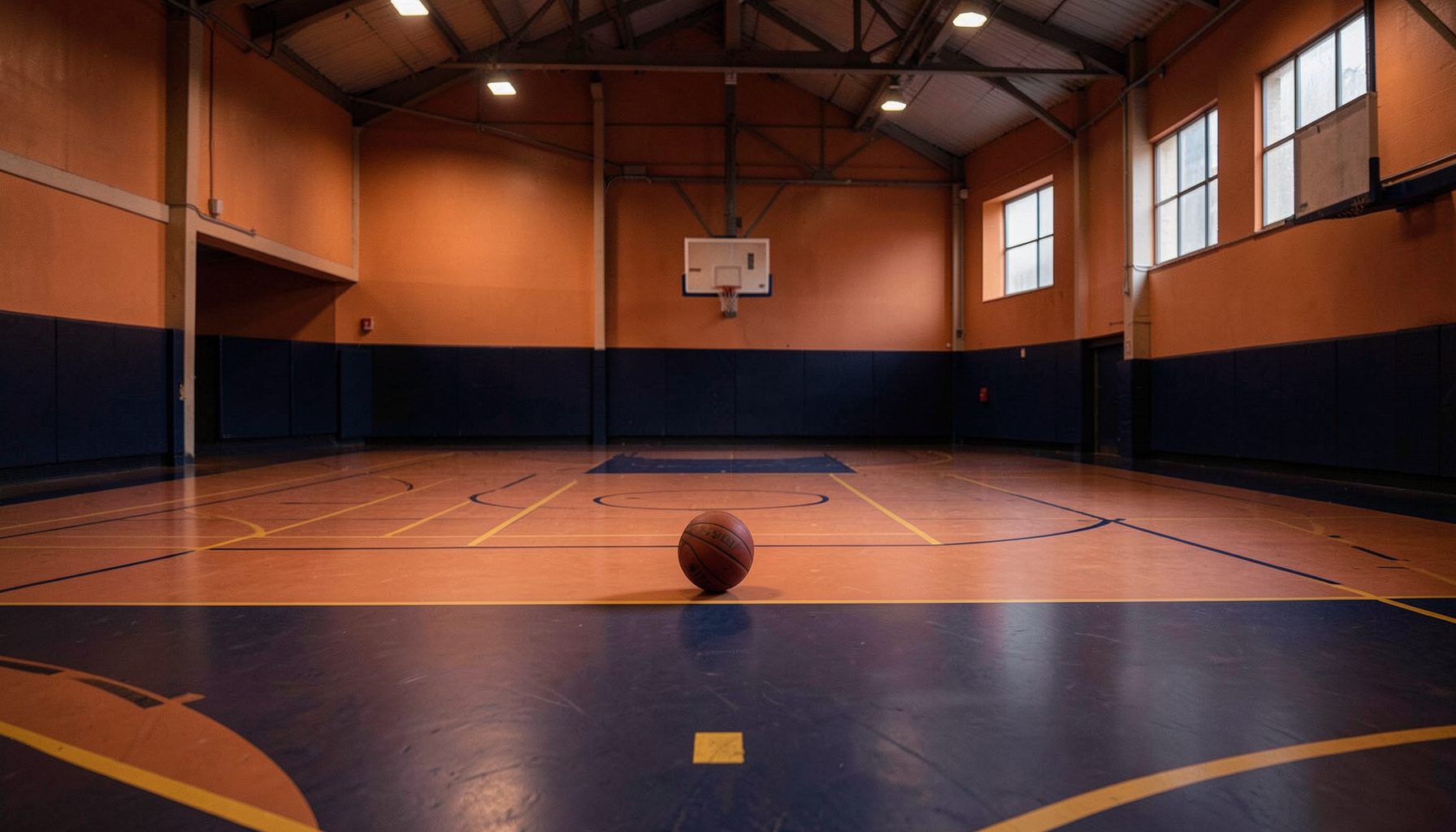
How to Stay in Shape During Off-Season Without Team Facilities
When the semester wraps up and university sport programs pause their strength and conditioning sessions, many student-athletes in Australia suddenly lose access to the training environment that kept them sharp. Whether you are based in Brisbane, Melbourne, Adelaide, or a regional campus like James Cook in Townsville, finding a way to maintain fitness away from team facilities takes some planning. The good news is that staying conditioned through the break does not require an expensive gym membership or fancy equipment, only a smart approach to the resources already around you.
Australia's outdoor culture, mild winters in the north, and abundance of public sporting spaces give athletes a real edge when designing an off-season routine. From free beachside gyms along the Gold Coast to the 50-metre public pools that operate in most capital cities, the infrastructure is already in place. With a few adjustments to your schedule and a clear focus on consistency, you can protect your gains, prevent injury, and return to pre-season fitter than you left.
Building a Training Setup in a Small Flat or Share House
Space is a real constraint for most Aussie uni students. A standard share house in Sydney's Inner West or a studio near Melbourne's CBD leaves little room for a full squat rack. The trick is to scale down rather than scale back. A pair of adjustable dumbbells, a suspension trainer that hooks over a sturdy door frame, and a few resistance bands can cover roughly 80 percent of what you would do in a university weight room.
Bunnings remains a go-to source for affordable training gear, including sandbags, gymnastics rings, and slam balls. Rebel Sport and local fitness stores often run end-of-season sales where you can pick up shoes and accessories at a discount. The setup does not need to be perfect on day one. Build the kit gradually, prioritise the items you will actually use, and store everything in a corner of your room or under your bed when not training.
Using Outdoor Spaces and Australia's Park Gym Culture
Few countries lean into outdoor fitness the way Australia does. Coastal walkways from Bondi to Coogee, the Yarra Trail through Melbourne, and South Bank parklands in Brisbane all feature free outdoor gym equipment. These calisthenics stations, with pull-up bars, dip stations, and sometimes leg-press machines, are built into public spaces specifically so that anyone can train without paying a cent.
For athletes accustomed to structured team sessions, this kind of environment can feel informal, but it is genuinely effective. A typical outdoor session might combine a 20-minute tempo run along the river with circuit work at the nearest gym station, finishing with mobility drills on the grass. Layering matters more than people expect, especially during early-morning winter sessions in Hobart or Canberra. A solid outer layer like the best lightweight jackets for running errands on campus makes the difference between cutting a session short and getting through it comfortably.
Bodyweight and Resistance Band Programs That Travel
When the goal is maintaining strength without a barbell, bodyweight and band work cover the bases surprisingly well. Push-ups, Bulgarian split squats, glute bridges, and inverted rows under a sturdy table are staples for a reason. Resistance bands add variable tension that closely mimics the loading patterns of compound lifts, which is useful for athletes who cannot access heavy weights for eight to twelve weeks.
A weekly structure might look like three full-body sessions with one day dedicated to mobility and core. Swimmers and overhead athletes in particular should not skip the rotator cuff and scapular work, since shoulder issues flare up quickly when training volume drops unevenly. Working through 10 strength exercises to prevent shoulder injuries in swimmers two or three times a week can keep the joint healthy and primed for the return to pool work.
Cardio Options That Replace the Treadmill
Cardio is the easiest piece of the puzzle in Australia. Swimming, running, cycling, and surf lifesaving are all available year-round in most regions. The 50-metre pool at your local aquatic centre costs a few dollars per visit and lets you hold intensity without pounding your joints. Coastal running on packed sand is a free alternative that builds ankle stability while burning serious energy.
For athletes who train with a squad but find themselves off-season on their own, group run clubs are everywhere. Parkrun, a free 5-kilometre event held every Saturday morning in hundreds of Australian locations, is a low-pressure way to keep accountability without joining a paid programme. Pair that with one longer session a week, a couple of recovery jogs, and you will not lose the aerobic base that took months to build.
Nutrition, Hydration, and Beating the Heat
Off-season often loosens eating habits, especially when training volume drops but appetite does not. The instinct to eat like you are still in-season is a common reason athletes gain unwanted weight during the break. Protein intake should stay high, around 1.6 to 2.2 grams per kilogram of body weight, with most of it spaced across three or four meals. Vegetables, wholegrains, and fruit are easy to overeat, which is fine for satiety but worth tracking if body composition is part of your goals.
Hydration deserves extra attention in Australia. Summer training in Sydney or Perth can push fluid losses past two litres per hour, and a 2 percent drop in body weight through sweat impairs both endurance and decision-making. Electrolyte mixes are worth the cost during long sessions, and water alone is rarely enough once you cross the 90-minute mark. Save the post-training coffee for a quieter moment, since Australia's cafe culture rewards a proper sit-down rather than a rushed takeaway.
Mental Health and Routine During the Break
The fitness side is only half the challenge. Without scheduled sessions, motivation often drifts, and many athletes underestimate the psychological impact of stepping away from a structured environment. Sleep schedules slip, training intentions get postponed, and a few weeks of low activity can leave you feeling flat and disconnected from the sport.
Building a loose weekly schedule helps more than willpower ever will. Block out training times the same way you would a lecture, and protect them. Listening to conversations on sport and performance while you train or commute, like a recent episode from Ubuntu Podcast, can keep your head in the game when the off-season feels aimless. Staying connected with teammates through group chats or a weekly long run together also keeps the social fabric of your sport alive, which matters more than people realise.
Tracking Progress and Returning to Pre-Season Ready
Finally, measure something each week. It does not need to be complicated. A simple log of session duration, perceived effort, body weight, and a few key lifts or bodyweight movements is enough to confirm that you are maintaining, or even improving, through the break. Photos and short videos of lifts also help you spot form drift that a tired brain might miss in the moment.
When pre-season ramps up again, you will know exactly where you stand and where the gaps are. The athletes who handle off-season well are rarely the ones who train the hardest in isolation. They are the ones who train consistently, recover properly, eat with intention, and arrive back at team facilities ready to build rather than rebuild. For more on balancing student-athlete life and the tools that help, Student Ca$hlete covers a wide range of training and lifestyle guidance tailored to college athletes.