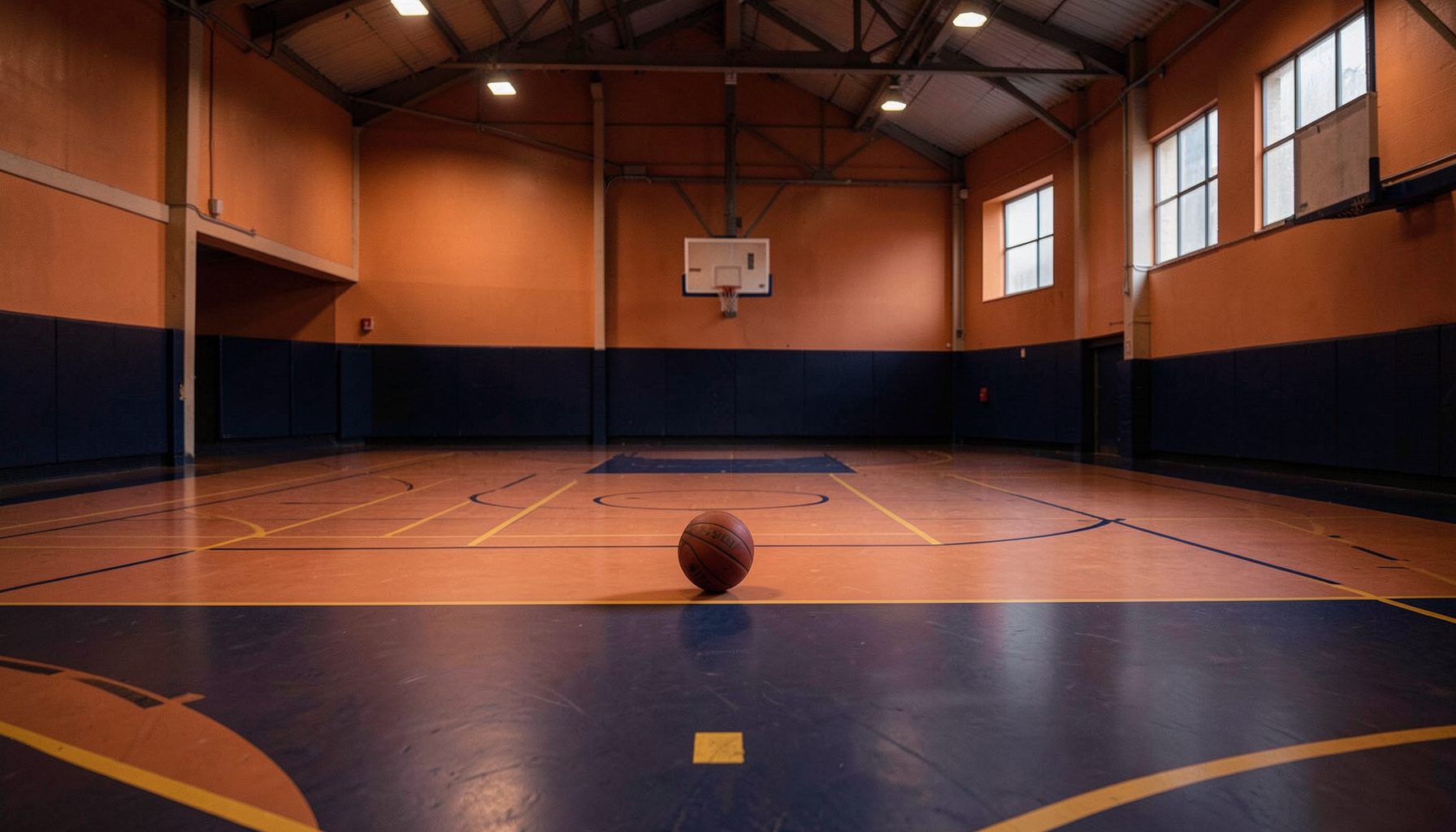
How to Set Boundaries Between Your Athletic Life and Social Life
College athletics can make your schedule feel permanently full. Training, classes, travel, recovery, team obligations, work, NIL opportunities, and friendships all compete for the same limited hours. Without clear limits, your social life can begin to feel like another responsibility, while your athletic routine becomes difficult to protect.
Healthy boundaries help you decide when to be available, when to rest, and which commitments support your larger goals. They are not walls that keep teammates or friends away. They are practical agreements that protect your energy, focus, privacy, and mental health.
The most effective approach is specific and consistent. Instead of vaguely promising to “balance everything,” define your priorities, communicate your limits, and create routines that make room for both performance and meaningful relationships.
Why Boundaries Matter For College Athletes
Athletes often experience pressure to be dependable in every setting. Coaches expect preparation, teammates expect commitment, professors expect academic effort, and friends may expect quick replies or regular plans. Trying to satisfy every demand immediately can lead to sleep loss, resentment, and emotional exhaustion.
Social connection still plays an important role in athletic performance. Time with trusted friends can reduce stress, provide perspective, and remind you that your identity includes more than your sport. The goal is not to choose athletics over relationships. It is to make sure neither area consistently consumes the time and attention required by the other.
Boundaries also protect your recovery. A late night before competition, an overcrowded weekend, or constant phone notifications can affect concentration and physical readiness. Treating rest, meals, mobility work, and quiet time as real commitments makes your social calendar easier to manage.
Define Your Nonnegotiables
Start by identifying the parts of your athletic life that must be protected. These may include sleep, treatment appointments, practice, lifting sessions, travel preparation, study blocks, religious commitments, or time with family. Write them into your calendar before adding optional plans.
Your personal priorities may change during the season. A competition week could require stricter limits than an off-season weekend. The important point is to recognize those changes in advance rather than agreeing to plans and canceling at the last minute.
It also helps to identify social boundaries. You might decide that you will not attend parties before competition, keep one evening free each week, avoid discussing team issues in public spaces, or leave group events at a set time. These decisions become easier to follow when they are made before peer pressure appears.
Build A Weekly Rhythm
A weekly planning session can turn competing demands into a realistic schedule. Review practices, classes, travel, assignment deadlines, recovery needs, and personal plans. Then reserve open blocks for eating, commuting, preparation, and decompression. Empty space is useful; it prevents every unexpected task from becoming a crisis.
Use different levels of availability rather than treating every hour as equally flexible. For example, a study block may be unavailable, a recovery period may be flexible only for urgent matters, and a free afternoon may be open for social plans. Sharing this information with close friends helps them understand when you are busy without interpreting your absence as rejection.
| Situation | Helpful Boundary | Simple Communication |
|---|---|---|
| Night before competition | Leave social events by a set time | “I’m heading out early so I can be ready tomorrow.” |
| Heavy academic week | Limit spontaneous plans | “I can meet after my exam, but this week is packed.” |
| Team-related stress | Keep private details off social media | “I’d rather not discuss team matters online.” |
| Recovery day | Protect sleep and low-stimulation time | “I’m taking tonight to recover and reset.” |
| Group invitation | Accept only if it fits your schedule | “I’ll confirm after I check my training calendar.” |
A calendar should support your life rather than control every minute. Leave room for flexibility, but give your highest priorities the strongest protection. If your schedule repeatedly leaves no space for food, sleep, or friends, the issue may be workload rather than poor time management.
Manage Social Media And Digital Access
Your social life often continues through your phone long after an in-person event ends. Group chats, direct messages, team channels, brand requests, and notifications can make you feel constantly reachable. Set quiet hours during sleep, class, practice, and recovery, then use notification settings to reinforce those choices.
Social media also creates special concerns for student-athletes. A casual post can be misunderstood, shared outside its original audience, or connected to your team and school. Decide what parts of your personal life remain private, which accounts are professional, and when you will review NIL messages or partnership requests.
A short delay before responding can protect your judgment. You do not need to answer every message immediately, and you can separate genuine urgency from someone else’s convenience. If you are evaluating equipment for training or competition, give yourself enough time to make a thoughtful decision; practical resources such as this guide to humid-weather golf gloves can support that process without turning every purchase into a rushed social-media task.
Communicate Limits Without Creating Conflict
Clear communication works best when it is brief, direct, and delivered early. You do not need to provide a long defense for protecting sleep or handling schoolwork. A simple statement such as “I cannot make it tonight, but I can meet for breakfast tomorrow” gives both a limit and an alternative.
Friends and teammates may test a new boundary, especially if they are accustomed to immediate access to you. Repeat the same message calmly rather than becoming argumentative. Consistency teaches people how to plan with you.
Pay attention to how others respond. Healthy relationships may involve disappointment, but they respect your responsibilities and do not repeatedly punish you for having limits. If someone mocks your recovery needs, pressures you to break team rules, or treats every “no” as a personal insult, their expectations may be incompatible with your well-being.
Your own behavior matters too. Respect your friends’ schedules, avoid last-minute demands, and follow through when you commit to plans. Boundaries are strongest when they are mutual rather than used as a one-sided excuse to remain unavailable.
Protect Your Identity Beyond Sport
A demanding athletic schedule can make your sport feel like your entire identity. Making space for friendships, hobbies, family, creative interests, and campus involvement gives you emotional variety. These activities do not weaken your commitment to competition; they can help prevent burnout and make difficult athletic periods easier to manage.
Choose social activities that match your current energy. During intense training, a quiet meal, walk, or short visit may be more restorative than a crowded event. During lighter periods, you may have more capacity for travel, celebrations, or campus activities. Social balance does not require the same routine every week.
Be honest about the difference between connection and avoidance. Spending time with friends can be healthy, while using social plans to escape academic stress, conflict, or anxiety may create additional problems. If you notice persistent isolation, irritability, panic, low motivation, or difficulty enjoying activities, contact a counselor, athletic department support professional, or another trusted resource. The people behind Student Ca$hlete understand that athlete wellness includes mental health and life beyond competition.
Practical Rules For A More Balanced Schedule
Use these guidelines as a starting point, then adjust them around your sport, academic workload, and personal needs:
- Schedule sleep, meals, treatment, and recovery before accepting optional invitations.
- Tell friends and teammates your availability instead of waiting until you are overwhelmed.
- Create phone-free periods for studying, training, competition preparation, and rest.
- Keep at least one recurring block each week for relationships or activities unrelated to athletics.
- Review your boundaries every few weeks and strengthen any limit that keeps being ignored.
Boundary setting is a skill, so expect some trial and error. A rule that works during the regular season may be too restrictive in the off-season, while an informal approach may fail during travel or exam periods. Review what drains you, what restores you, and which commitments continue to receive more time than they deserve.
Make Your Limits Part Of Your Routine
The best boundaries become ordinary habits rather than emergency decisions. Check your schedule before responding to invitations, communicate changes as soon as possible, and protect the routines that help you perform and recover. When your actions match your stated priorities, other people have a clearer picture of how to support you.
Start with one boundary this week: a consistent bedtime, a protected study block, a limit on digital notifications, or one social plan that does not interfere with training. Put it on your calendar, explain it to the people affected, and keep it long enough to see whether your energy and focus improve. A sustainable athletic life leaves room for achievement, rest, and relationships that genuinely support who you are.