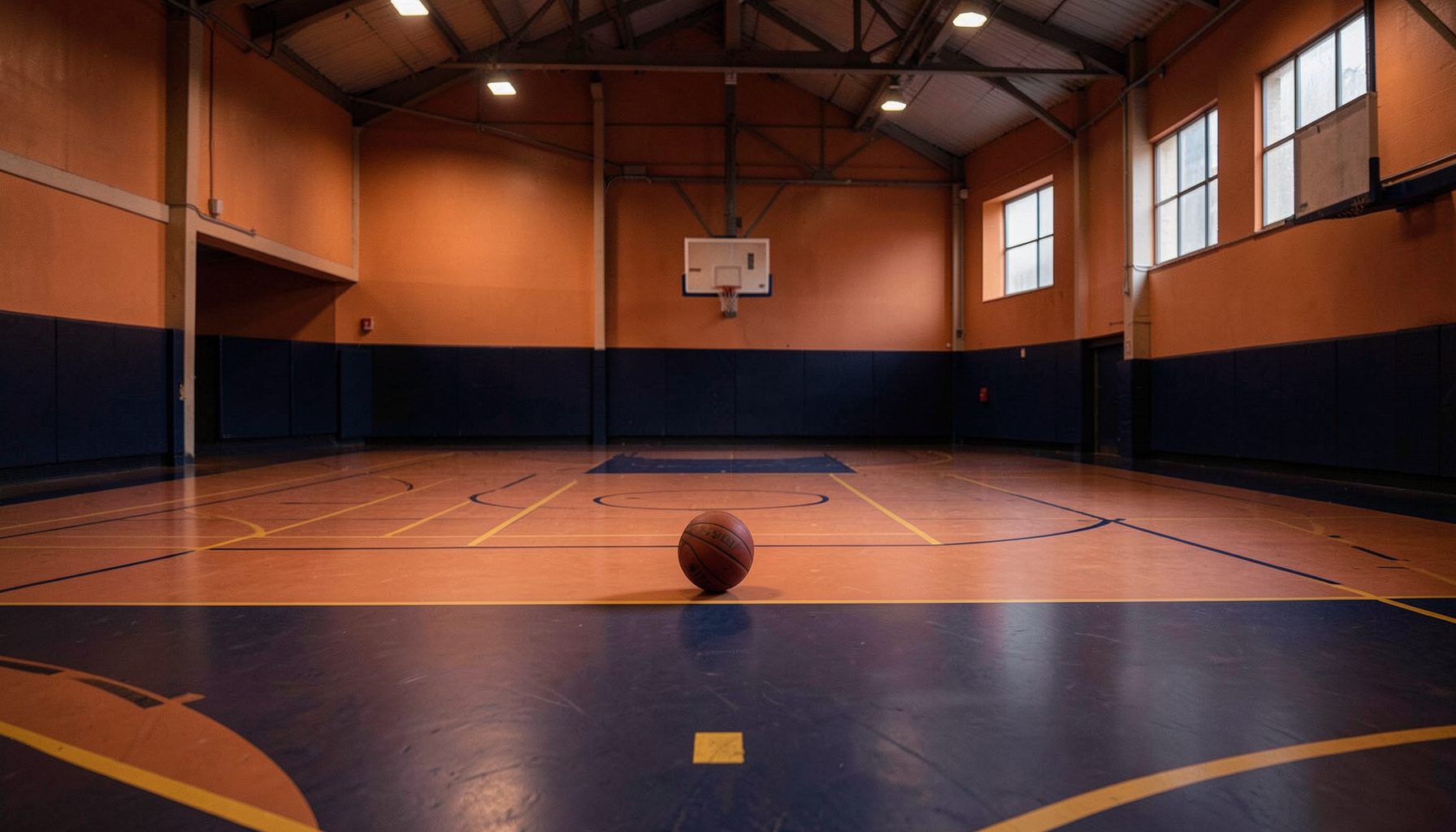
Mentally Preparing for the Final Season of College Sports
The last season of a college career carries a different emotional weight from the years before it. Every preseason meeting, road trip, rivalry game, and postgame conversation can feel significant because the familiar rhythm of competition is beginning to end. Excitement and gratitude may exist alongside pressure, sadness, uncertainty, and fear of letting the moment pass too quickly.
Mental preparation is not about forcing yourself to feel positive every day. It means acknowledging the transition ahead while creating a steady approach to training, academics, relationships, and performance. A strong final season comes from paying attention to what you can control rather than trying to preserve every part of college athletics exactly as it is.
The goal is to compete with purpose while making room for life beyond your sport. By clarifying what matters, setting realistic expectations, and building habits that protect your mental health, you can finish your athletic career with fewer regrets and a stronger sense of identity.
Acknowledge The Emotional Weight
Many athletes expect their final season to feel joyful from beginning to end. In reality, the closing chapter can bring conflicting emotions. You might feel motivated during practice, then become unexpectedly emotional while walking through the athletic facility or realizing that a familiar tradition will not happen again. Those reactions are normal signs that the experience matters.
Naming these feelings can reduce their power. Write down what you are excited about, what you are afraid of losing, and what remains unresolved. You may be grieving the end of daily contact with teammates, the structure of training, or the identity you built around being an athlete. Recognizing those losses does not weaken your competitive mindset; it helps you respond to them honestly.
Avoid comparing your final season to someone else’s senior year. One athlete may want to chase records, while another may prioritize enjoying teammates or returning from injury. Your emotional experience does not need to look dramatic or inspirational to be meaningful.
Define What A Successful Finish Means
A final season becomes overwhelming when success is reduced to a single result. Championships, rankings, personal records, and professional opportunities matter, but they are not the only useful measures. Define several outcomes that reflect the athlete and person you want to be when the season ends.
Consider process goals such as communicating clearly, preparing consistently, recovering responsibly, or supporting younger teammates. You might also set relationship goals, including spending intentional time with close friends, thanking coaches, or preserving team memories. These objectives give your season depth when circumstances such as injuries, selection decisions, or unexpected losses affect competition results.
Your goals should be specific enough to guide your behavior and flexible enough to survive change. “Make every moment count” sounds meaningful but is difficult to act on. “Stay present during team meetings,” “complete my recovery routine four days per week,” or “record one meaningful memory after each road trip” creates a clearer target.
Separate Your Identity From Your Sport
College athletics can shape your schedule, friendships, confidence, and public identity. As the final season approaches, it is common to wonder who you will be without daily practices, competition, and team responsibilities. That question deserves attention before the last game rather than after it.
List the qualities your sport has helped you develop: discipline, leadership, resilience, communication, decision-making, or the ability to perform under pressure. Those qualities remain yours when your eligibility ends. Translate them into language that applies to internships, employment, graduate school, relationships, and community involvement.
Begin developing interests outside athletics while you still have team support and campus resources. Join a professional organization, explore a class unrelated to your major, reconnect with a hobby, or schedule conversations with alumni. These steps do not take away from your commitment to the season. They make the transition less abrupt by giving your future more than one direction.
Turn The Season Into A Process
A practical mental performance plan can prevent the final year from becoming a blur. Divide the season into manageable phases: preseason preparation, the opening stretch, the competitive middle, championship or postseason preparation, and the period after competition. Each phase can have a different emotional and performance focus.
| Season Phase | Mental Priority | Useful Practice |
|---|---|---|
| Preseason | Build confidence and routine | Set process goals and establish recovery habits |
| Early competition | Stay patient | Review performances without overreacting |
| Midseason | Manage fatigue and pressure | Schedule rest, honest check-ins, and academic planning |
| Postseason push | Narrow attention | Focus on the next controllable action |
| Final weeks | Preserve meaning and perspective | Celebrate relationships and document important memories |
| After eligibility | Adjust to change | Create a weekly structure for school, work, and wellbeing |
Use a short weekly review to track energy, mood, sleep, academic demands, and training stress. Ask what helped you perform, what drained you, and what needs to change. This type of reflection is more useful than judging yourself after every practice or becoming consumed by statistics.
Physical preparation also influences emotional confidence. Follow medical guidance, communicate pain early, and treat recovery as part of performance rather than a reward. Athletes in shoulder-intensive sports, for example, can review shoulder injury prevention exercises with qualified coaches or sports medicine professionals as part of a broader plan for staying available.
Protect Your Time And Mental Energy
Senior athletes often face a crowded schedule that includes advanced coursework, leadership duties, recruiting responsibilities, travel, and decisions about life after graduation. The final season can expose weak time-management habits because there is less room to recover from missed deadlines or poor planning.
Create a weekly calendar that includes fixed commitments, study blocks, meals, sleep, transportation, recovery, and unstructured time. Treat rest as an appointment instead of something that happens only when every task is complete. A realistic schedule should have space for delays, emotional fatigue, and the ordinary demands of being a student.
Communicating early is especially important when away games affect attendance. Before traveling, review course policies and contact faculty with a clear plan for missed work; this guide to approaching professors can help you prepare a respectful message. Taking responsibility in advance protects academic confidence and prevents avoidable stress from following you onto the field or court.
Set boundaries around digital communication as well. Team chats, social media, NIL conversations, and performance content can keep your nervous system in a constant state of alert. Choose periods when you will not check messages, and avoid using online reactions as a measure of your worth.
Prepare For The Last Competition
The final competition can create pressure to experience a perfect ending. That expectation may cause you to monitor the clock, overthink mistakes, or focus on the fact that the event is ending instead of responding to what is happening. A useful mental routine brings your attention back to simple, familiar actions.
Before competition, identify a few cues you can control: breathing rhythm, body language, communication, positioning, or the first technical task. During the event, use brief resets after errors. Take one breath, name the next job, and rejoin the present moment. You do not need to feel calm to compete well; you need a reliable way to return your attention to the task.
Plan the emotional and practical details around the final game. Decide who you want nearby, how you want to recognize teammates, and whether you would like to keep a jersey, photograph, journal entry, or other memento. Making these choices ahead of time allows you to participate fully rather than trying to organize meaning while emotions are at their peak.
Give yourself permission to have an imperfect ending. A loss, limited playing time, injury, or disappointing performance cannot erase four years of development. The final result is one event in a larger athletic story, not a final verdict on your value.
Build Support For The Transition
You should not carry the emotional weight of retirement, graduation, or career uncertainty alone. Talk with trusted teammates, coaches, family members, athletic department staff, mentors, or a licensed mental health professional. Be specific about what you need: listening, practical planning, accountability, or help processing grief and anxiety.
Watch for signs that normal transition stress is becoming harder to manage. Persistent hopelessness, severe sleep disruption, panic, isolation, loss of appetite, or thoughts of self-harm deserve prompt professional support. Campus counseling services, sports psychologists, medical providers, and crisis resources can provide confidential assistance. Seeking help is a performance and wellbeing decision, not a personal failure.
Create a post-season structure before the schedule disappears. Identify your next academic deadlines, exercise options, social commitments, career steps, and recovery needs. The first weeks after eligibility can feel strangely empty, so a flexible routine provides stability while you discover what comes next.
Practices Worth Carrying Into Your Final Year
A few repeatable habits can keep your attention grounded when emotions and expectations rise. Choose practices that fit your personality and schedule rather than copying another athlete’s routine.
- Write three process priorities at the start of each competition week.
- Schedule one honest check-in with a teammate, mentor, or support professional.
- Protect consistent sleep, meals, hydration, and recovery whenever possible.
- Record meaningful moments so the season is remembered through more than statistics.
- Revisit your identity, career, and academic goals outside sport each month.
The purpose of these habits is not to make every day feel controlled. It is to create dependable anchors when the season becomes busy or emotionally intense. Small actions repeated across months can make the transition feel less like a sudden disappearance and more like a deliberate next step.
Your last college season deserves ambition, but it also deserves perspective. Compete seriously, prepare responsibly, and let yourself value the people and experiences that made the journey significant. When eligibility ends, you will carry forward more than results: you will carry skills, relationships, memories, and evidence of what you can do under pressure. Start building that mindset now, and make each remaining week part of a finish you can respect.