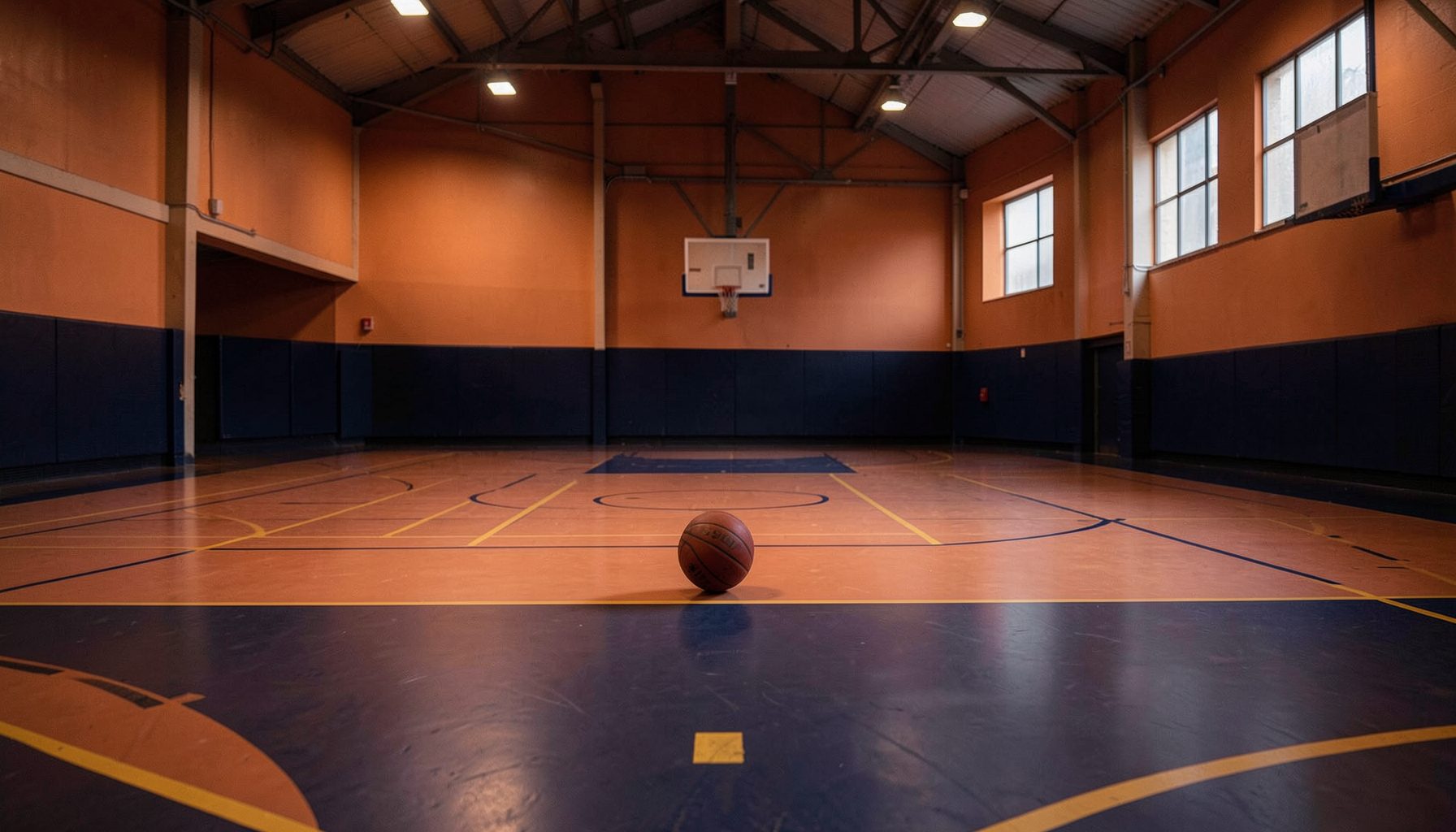
How To Manage Performance Anxiety Before Big Games
Big games can make even experienced athletes feel unsettled. Your heart rate rises, your thoughts speed up, and ordinary decisions suddenly seem loaded with consequences. Performance anxiety is a normal response to pressure, but it can become disruptive when nerves interfere with sleep, warm-ups, concentration or confidence.
For college athletes, the stakes may include selection, scholarships, team roles, scouts, NIL opportunities, academic workload and expectations from family. An important match can feel like a judgement on your identity rather than one event in a long sporting journey. That interpretation often increases the physical symptoms you are trying to control.
Australian athletes may face additional pressures, from travelling between campuses in Sydney and Melbourne to competing in Brisbane humidity or making early starts for weekend fixtures. Whether your sport is footy, netball, cricket, swimming or basketball, the same principle applies: preparation should make the event feel familiar, manageable and specific.
The goal is not to eliminate nerves. A certain level of activation can improve reaction time and intensity. The useful skill is learning to recognise anxious energy, settle your attention and direct that energy towards the next task rather than the possible outcome.
Understand what your body is doing
Before competition, the brain’s threat system can react as if you are facing danger. Adrenaline may cause sweaty palms, a dry mouth, tight muscles, a racing pulse or an unsettled stomach. These signs can be uncomfortable, but they are not proof that you are unprepared or destined to perform poorly.
Try replacing “I’m panicking” with “My body is getting ready to compete.” This is a form of cognitive reframing. It does not require pretending to feel calm; it gives the sensations a more useful meaning. A faster heartbeat can support movement, while heightened alertness can help you notice opponents and respond quickly.
Anxiety becomes harder to manage when you fight every sensation. Instead, notice it without adding a dramatic story. You might say, “My hands are shaking, and I can still complete my warm-up.” That separates the physical feeling from the prediction that something terrible will happen.
Build a repeatable pre-game routine
A reliable routine reduces the number of decisions you need to make when nerves are high. Write down your planned wake-up time, meal timing, transport, equipment check, warm-up sequence and final focus cue. Keep the routine practical rather than superstitious. If one part changes, your performance should not feel doomed.
The routine can include a short breathing exercise, music, mobility work, visualisation and a few technical actions from your sport. A volleyball player might rehearse a serve and receive pattern; a footballer might visualise the first defensive movement; a rower might focus on the opening strokes. Specific images are easier to use than vague instructions to “play well”.
Avoid copying a teammate’s routine if it does not suit you. Some athletes need quiet time, while others settle through conversation and humour. In Australia, a relaxed “no worries” attitude can help, but hiding genuine distress behind banter is not the same as regulating it. Choose habits that leave you focused and physically ready.
Use breathing and grounding techniques
Slow breathing can reduce unnecessary tension by encouraging a steadier heart rate and relaxing overactive muscles. Try inhaling gently through your nose for four seconds, then exhaling for six seconds. Repeat for five cycles without forcing a deep breath. A longer exhale is often easier to sustain than repeated huge inhalations.
Grounding is useful when your mind jumps ahead to selection consequences, a rival or the crowd. Name three things you can see, two things you can hear and one physical sensation, such as your feet inside your boots. Then return to an immediate sporting cue: track the ball, keep your hips low or communicate with the player beside you.
Practise these methods during ordinary training sessions. A technique learned for the first time in a packed stadium, a noisy university oval or a humid outdoor court may feel unfamiliar. Rehearsal teaches your nervous system that breathing and grounding are available under pressure.
Prepare for controllable factors
Performance anxiety often grows when preparation is vague. Replace broad concerns with a short checklist of controllable factors: sleep, food, hydration, equipment, transport, warm-up, communication and effort. This is especially important when you are travelling across Australia, where a long flight, road trip or time-zone change can affect your normal rhythm.
Pack your gear the night before and check essentials such as tape, mouthguards, chargers, uniforms and recovery clothing. If you rely on specialist equipment, test it at training rather than bringing a new item to a major game. Athletes comparing footwear or training products can explore training equipment as part of a broader research process, while still prioritising fit, comfort and sport-specific requirements.
Nutrition should be familiar too. Eat foods you have already tolerated in training, and avoid using a big match as the moment to experiment with supplements or an unusually large meal. In hot regions such as Queensland or Western Australia, fluid planning matters more than simply drinking when you feel thirsty.
Focus on process cues
Outcome goals such as winning, scoring, making a final or impressing a scout can motivate you, but they are poor instructions during play. Process cues tell you what to do now. Examples include “first step quick”, “eyes up”, “strong hands”, “talk early” and “finish the movement”.
Choose two or three cues that match your position and use them during your warm-up. Keep the words short enough to remember when the crowd is loud. If your sport is continuous, connect each cue to a repeatable action. A midfielder may scan before receiving; a netballer may hold space and present a clear target; a swimmer may settle into rhythm after the start.
When a mistake happens, avoid reviewing the entire game in your head. Use a reset sequence: acknowledge the error, exhale, identify the next action and communicate if necessary. A neutral response protects attention. Self-criticism can feel like accountability, but during competition it often consumes the focus needed for recovery.
Protect your wider wellbeing
Pre-game anxiety can be intensified by accumulated fatigue. University athletes may move from lectures to training, part-time work, travel and assessment deadlines with very little recovery. If stress has been building for weeks, one breathing exercise before a game will not solve the underlying issue. Review your schedule and speak with a coach, academic adviser or health professional when your load becomes unmanageable.
Planning recovery in the middle of semester is as important as planning training. This burnout guide offers useful context for recognising when constant tiredness, irritability or loss of motivation may be more than ordinary competition nerves. Sleep, regular meals, rest days and realistic study blocks support emotional regulation.
Mental health support is a performance resource and a personal health resource. Australian universities commonly provide counselling and student wellbeing services, and urgent concerns should be taken to a qualified professional or emergency service. A trusted teammate can be the first person you tell, but they should not have to manage serious distress alone.
Handle the hours and minutes before play
On game day, limit exposure to content that increases comparison. Repeatedly checking opponents’ posts, reading comments or watching highlight reels can push your attention towards reputation rather than execution. Set a phone boundary and use the final hour for practical preparation, calm conversation and your chosen routine.
Hydration should match the environment, session length and your individual needs. For hot outdoor practices or matches, review electrolyte tablets before deciding whether they fit your plan. Electrolytes are not a substitute for water, food or medical advice, and products should be tested in training to avoid stomach problems.
When the start is close, narrow your attention to the opening passage of play rather than the full result. Decide what a successful first minute looks like: make the simple pass, win body position, communicate loudly or settle into race rhythm. Once that first task is complete, select the next one.
After the game, give yourself time to come down before judging your performance. Adrenaline can make both victories and mistakes feel exaggerated. Note one thing you executed, one lesson for training and one recovery action. This creates a useful feedback loop without allowing a single result to define your confidence or your value as an athlete.