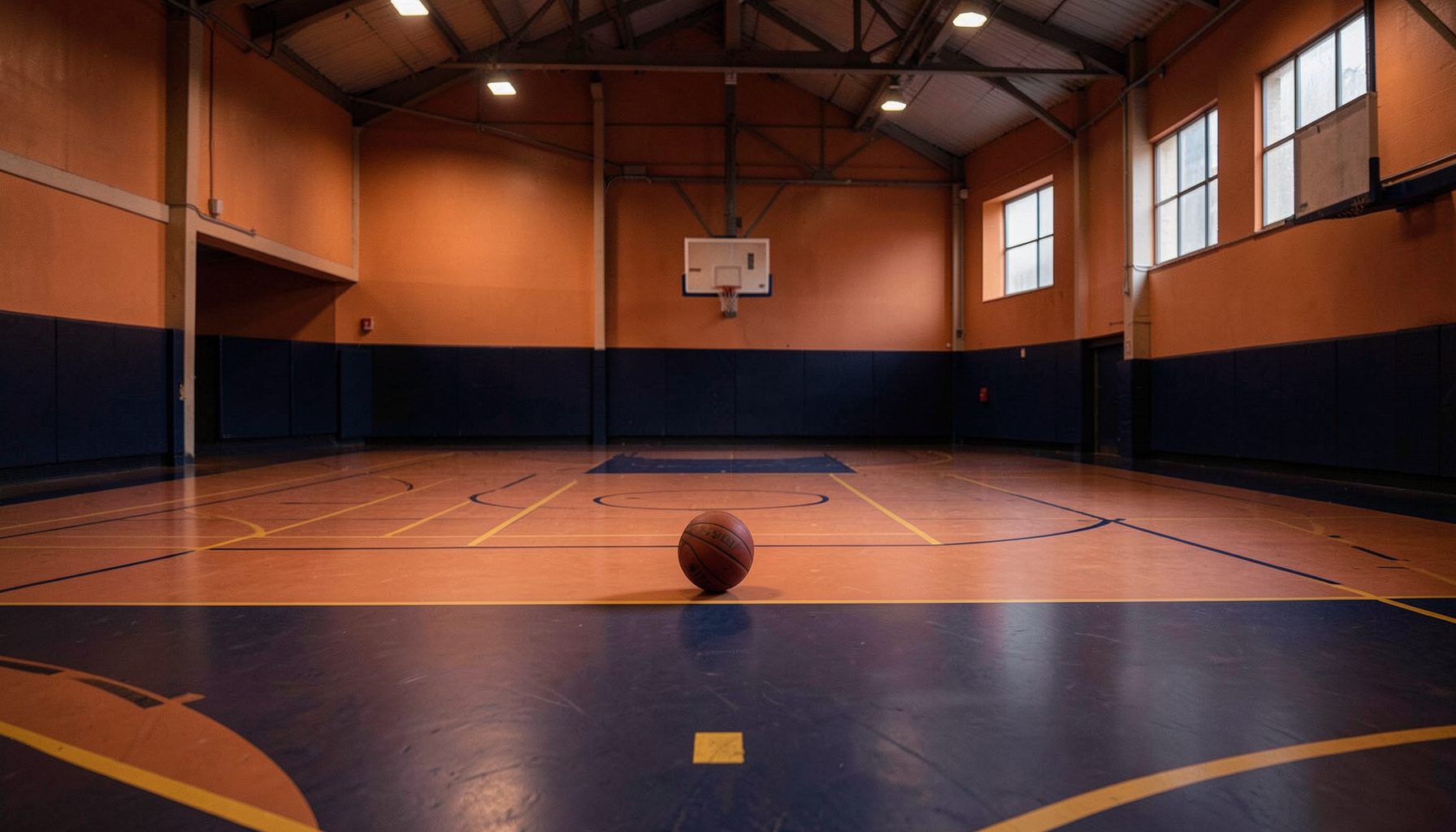
Speaking Up for Better Locker Room Facilities on Campus
For most college athletes, the locker room is more than a place to change. It is the quiet corner where you tape your ankle before dawn training, the open space where teammates unpack a tough loss, and the storage hub that holds your boots, mouthguards, and that lucky headband you refuse to wash. When the room is cramped, damp, or missing basic amenities, the cost shows up in your focus, your recovery, and your team's morale. Pushing for an upgrade is not a luxury complaint — it is a real welfare issue that deserves a real plan.
Australia runs on a deeply athletic culture, from weekend rugby union in Brisbane juniors to surf lifesaving on the NSW coast and AFLW pathways feeding into state academies. University teams at UniSport Nationals travel from Hobart to Perth each year, dragging gear through airports and shared changerooms that range from brand-new to barely serviceable. Whether you are a rower training on the Yarra or a basketballer grinding sessions at UQ's indoor courts, the quality of your home facility shapes how you feel about the jersey you pull on every morning.
Lockers with broken hinges, showers that run cold mid-winter in Adelaide, mirrors fogged beyond use, or nowhere safe to dry a wet jersey before a Saturday match — these are everyday frustrations. Better facilities rarely arrive because someone wished for them. They appear when athletes document the gaps, speak with one voice, and treat the request like a campaign rather than a complaint.
Audit the Space and Build Your Evidence
Before asking anyone for change, walk through the changeroom with fresh eyes and a notebook. Note the small things: how many lockers actually close properly, how many powerpoints work, whether the ventilation fans spin, whether the floor drains smell off after a wet-weather session, and whether there is a private space for medical checks or physio strapping tape. Photographic evidence is gold when you take it to a meeting, but keep the tone constructive rather than sarcastic.
Cross-reference your findings with the standards expected by your sport's national body. Rugby Australia, Basketball Australia, and the AFL all publish facility guidelines that touch on changeroom sizing, hot water access, and recovery spaces. Comparing your team's reality to those benchmarks gives you a neutral, evidence-based starting point. You can also look at how peer institutions such as Monash, UTS, or the University of Western Australia have described their recent upgrades in campus press releases — useful context when you are asked what is "reasonable" to expect.
Once the audit is done, group the issues into quick wins, medium fixes, and bigger structural asks. A blocked showerhead, missing hooks, or a broken dryer sit in the quick-win column. Replacing benches, repainting, or adding secure storage for personal items might be medium. A full refit, gender-neutral change spaces, or new accessible amenities fall into the structural bucket. Sorting them this way stops the conversation from getting bogged down before it begins.
Rally Your Teammates Into a Unified Voice
A single athlete knocking on a sports department door is easy to ignore. A squad speaking with one clear message is much harder to dismiss. Bring the audit to your next team meeting, keep it factual, and invite teammates to add their own observations. You will often find that the quietest players have been quietly putting up with the most — a goalkeeper without a dry spot to store gloves, or a netballer stuck changing in the corridor because the women's space is too small.
Decide early who will front the conversation. A captain or vice-captain, your team's student-athlete representative, or a respected senior usually carries more weight than a first-year, no matter how passionate. Pair them with a teammate who is good at writing and organising so the workload splits. If you are juggling assignments, prac, and training blocks that keep shifting, this guide on scheduling around sudden practice changes shows how to keep the campaign alive through semester when your week has structure.
Aim for a written summary rather than a verbal rant. One page, plain language, signed by the squad, with a short list of priorities. Universities in Australia love paperwork because it travels up the chain — a printed brief is far more likely to land on a Deputy Vice-Chancellor's desk than a frustrated hallway chat.
Frame the Upgrade as a Wellbeing and Performance Issue
Facility managers think in budgets, not feelings. Reframe the conversation in language they understand: athlete welfare, injury prevention, retention, and the university's reputation. A changeroom without proper drying space means wet boots and a higher blister rate. Cold showers after a winter session in Melbourne put athletes at risk of post-training illness. Limited privacy for medical assessment can discourage players from reporting concussions or soft-tissue issues early.
Connect the dots to the university's strategic plan. Most Australian universities now publish goals around student wellbeing, inclusion, and elite athlete support, especially since the arrival of NIL-style opportunities reshaped how student-athletes are valued. A safer, more respectful facility is no longer a "nice to have" — it lines up with the language already sitting in their policies.
Think about inclusion from the start. Make sure the request covers accessible change spaces for athletes with disability, gender-neutral options, and culturally safe areas for Indigenous players and international students. The broader the ask is framed, the harder it is to dismiss as a niche grievance.
Choose the Right Campus Channels and Speak Their Language
Australian universities are layered bureaucracies, and walking into the wrong office first can stall a campaign for months. Start with your sport's high-performance manager or faculty sport coordinator, then escalate to the student union, then to the head of campus services if maintenance is the sticking point. Each campus has its own quirk: at the University of Sydney, the Sport and Fitness team sits inside the broader portfolio of student life; at RMIT, sport is woven into the student experience division; at the University of Adelaide, the Academy of Sport sits alongside health sciences.
Bring your brief, your photos, and a short proposed timeline. Ask what budget cycles look like, when the next capital works round opens, and whether a co-contribution from the club is realistic. Clubs regularly fundraise through Bunnings sausage sizzles, trivia nights, and local sponsors, and offering partial funds can transform a "no budget" into a "let's see what we can do".
Keep every email polite, dated, and cc'd to a teammate. Document who said what. If a meeting stalls, follow up with a short note thanking them for their time and recapping the agreed next steps. Consistency reads as professionalism, not aggression.
Loop in Student Unions, Clubs, and External Allies
You are far stronger with a coalition than alone. Most campuses have a student union or guild — UQ Union, Monash Student Association, Melbourne University Student Union, and the Australian National University Students' Association are just a few examples — and their elected representatives often hold formal seats on facilities committees. Ask your union to table the issue, raise a motion, or include the upgrade in their next budget submission.
Reach out to other affected groups too. Cricket clubs sharing a changeroom with rugby sides, basketball teams overlapping with soccer, and social sport participants all feel the squeeze when a facility is past its use-by date. A joint letter from three or four clubs shows that this is not one team's grudge but a campus-wide gap.
External allies can also help. State sporting associations, alumni networks, and university foundation partners sometimes contribute to facility upgrades in exchange for naming rights or signage. If a donor is already funding the new training centre, see whether the changeroom can be folded into the same conversation rather than treated as a separate line item.
Use Your Voice and Platform Thoughtfully
Social media can speed up a campaign or sink it. A public post calling out a university by name might attract attention, but it can also harden the administrators you are trying to influence. Treat your platforms as a slow burn rather than a flare. Share progress, thank people who have helped, and keep the tone constructive — "Here is what we are working towards, here is how the team got behind it" reads very differently from a frustrated rant.
Use your NIL presence if you have one. Many Australian university athletes now have small but engaged followings on TikTok and Instagram, and a behind-the-scenes look at changeroom life — the good and the rough — can humanise the campaign. Just make sure teammates are comfortable being shown, especially in shared change spaces. Consent matters here, and getting it right protects both your team culture and your personal brand.
A practical note: when the campaign adds stress on top of training, fuel matters. Long meetings followed by lifts can wreck your stomach if you run on adrenaline and a flat white, so a quick look at gentle pre-workout snack ideas can keep your body cooperating while your mind pushes the agenda.
Keep the Momentum and Lock in the Wins
The day a university agrees to a facility upgrade is not the end of the campaign — it is the handover. Stay involved in the design conversations. Quick wins like hooks, mirrors, or signage are easy to deliver, and seeing them arrive keeps trust high while bigger works are scheduled. Walk the space with the project manager, share what your team actually needs day to day, and push back politely if a "standard" layout ignores how your sport really uses the room.
Once upgrades land, document them. Take photos, write a short piece for the club newsletter, give credit where it is due. Recognition encourages the next round of investment and trains the university to see athlete feedback as valuable rather than noisy. It also gives the cohort behind you — the first-years, the rookies, the next intake of preseason hopefuls — a changeroom that reflects the respect they have earned.
Finally, keep the feedback loop alive. A short annual check-in with the facilities team catches the small problems before they become the same old grievances. Champions of better spaces are rarely one-issue campaigners; they are the steady voices who keep showing up, season after season, until the standard everyone accepts is the standard everyone expected all along.